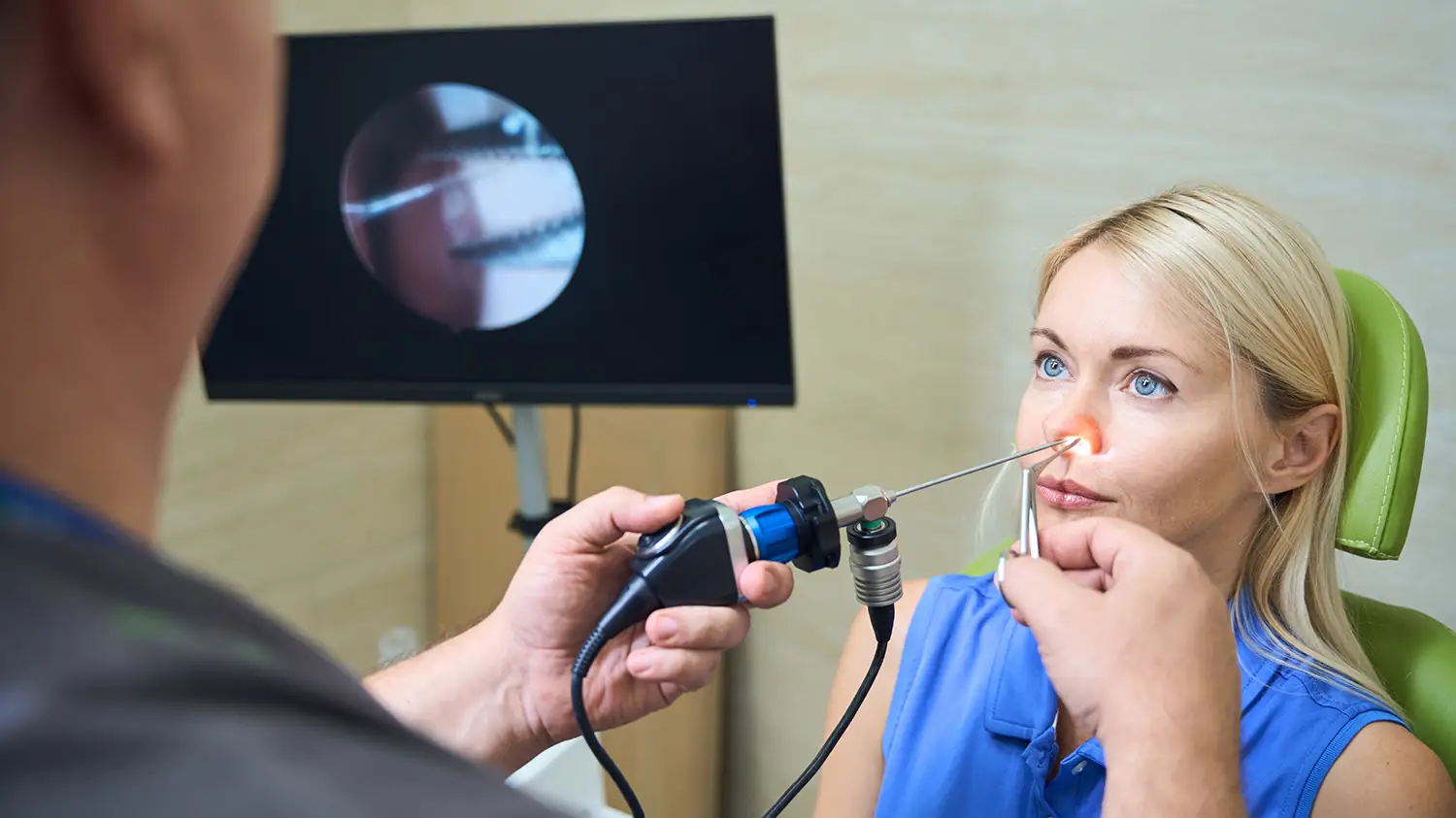

What Is Intracapsular Tonsillectomy?
Intracapsular tonsillectomy is a modern surgical procedure used to treat children with tonsillar hypertrophy (enlarged tonsils). They are known to cause airway obstruction, mouth breathing, snoring and sleep disordered breathing including obstructive sleep apnoea (OSA).
The procedure is performed under a general anaesthetic, and in many cases, the surgery is completed as a day procedure. Children generally require an overnight stay depending on their age, medical history and recovery needs.
By reducing airway obstruction while preserving surrounding tissue, intracapsular tonsillectomy can significantly improve breathing during sleep, sleep quality, behaviour and overall wellbeing in affected children.

Intracapsular Tonsillectomy Procedure
Intracapsular tonsillectomy is performed under a general anaesthetic in a fully controlled operating theatre environment. The surgeon accesses the tonsils through the mouth, meaning there are no external incisions or visible scars.
Using specialised surgical technology known as Controlled Ablation (Coblation™), these intracapsular techniques gently remove most of the tonsillar tissue while preserving the thin outer capsule. This approach helps protect the underlying throat muscles and reduces post-operative discomfort.
The procedure typically takes less than an hour, depending on the complexity of the case. Many children are able to return home the same day once they are awake, comfortable and able to drink fluids.
If adenoids are also enlarged, an adenoidectomy is usually performed at the same time, commonly known as an adenotonsillectomy.

Before Surgery
Prior to the procedure, a careful pre-operative assessment is completed to ensure safety and readiness for surgery. This may include:
- Fasting before surgery: Your child will need to stop eating and drinking for a specified period before the procedure.
- Medication review: Some medications, particularly anti-inflammatory drugs or blood-thinning agents, may need to be paused prior to surgery.
- Medical history assessment: Any allergies, bleeding tendencies, recent illnesses or underlying conditions will be reviewed by the surgical team.
- Pre-operative consultation: Your surgeon will explain the procedure, expected outcomes and recovery process, and answer any questions.
Risks and Safety Considerations
Intracapsular tonsillectomy is considered a safe and effective surgical technique, particularly in paediatric patients. However, as with all surgical procedures, there are some risks.
Risks of an intracapsular partial tonsillectomy include:
- Mild post-operative pain or discomfort, usually less than traditional tonsillectomy.
- Dehydration if fluid intake is reduced
- Infection
- Small risk of bleeding, although this is generally lower than with traditional tonsillectomy
Because a thin layer of tonsil tissue is intentionally preserved, there is a very small possibility of partial regrowth. If this occurs, it would usually be many years later. In rare cases, this may result in the need for further surgery or revision surgery if symptoms recur.
Your surgeon will discuss any specific risk factors relevant to your child’s health and circumstances prior to surgery.
What is Coblation Intracapsular Tonsillectomy?
Coblation (controlled ablation) uses radiofrequency energy in a saline solution to create a plasma field. This allows the surgeon to gently remove tonsil tissue at lower temperatures than traditional techniques. Because less heat is used, there is reduced damage to surrounding tissue, resulting in less post-operative pain and a faster recovery. Preserving the capsule of the tonsil using an intracapsular technique also helps to reduce postoperative discomfort.
Intracapsular Tonsillectomy Recovery
Recovery following intracapsular tonsillectomy is typically faster and more comfortable compared to procedures where the entire tonsil is removed. Most children experience a mild sore throat for several days.
Pain is usually less severe due to the preservation of the tonsillar capsule, and many children return to normal activities sooner.
Careful at-home management plays an important role in supporting recovery and reducing the risk of complications.

Intracapsular Tonsillectomy Recovery and Aftercare
Post-Operative Pain Management
Mild to moderate throat discomfort is common after surgery. Regular pain relief in the first few days helps maintain comfort and encourage hydration and eating.
Diet and Hydration
A softer diet is recommended in the early recovery period, although eating more solid foods can often help healing progress faster and improve recovery. Foods such as yoghurt, mashed vegetables, soups and smoothies are often well tolerated. It is important to encourage regular fluid intake to prevent dehydration and support healing.
Activity Restrictions
Children should rest for several days after surgery and avoid strenuous physical activity. Most can return to school or childcare once comfortable, typically within 5-7 days, depending on recovery progress.
Monitoring for Complications
Parents should monitor for any signs of bleeding, persistent vomiting, fever or reduced fluid intake. While complications are uncommon, any concerning symptoms should be reviewed promptly by a medical professional or emergency department if required.
Oral Hygiene
Gentle oral care is encouraged to reduce the risk of infection and maintain comfort. Care should be taken to avoid irritating the throat during the early healing phase.
Key Points for Parents
- Intracapsular tonsillectomy is a widely used, evidence-based surgical option for children with enlarged tonsils and sleep-related breathing issues
- It is designed to reduce pain and support a faster recovery compared to traditional tonsillectomy
- Most children experience improved sleep quality, breathing and daytime behaviour following surgery
- Regular pain relief, hydration and rest are essential for recovery
- Follow-up instructions from your ENT surgeon should always be followed carefully
- Contact your doctor if you have concerns about bleeding, dehydration or persistent pain. CompleteENT has a special on-call number for patients after surgery to ensure that our specialists are contactable if any post-operative concerns arise during the recovery period.
Common Temporary Side Effects
During the healing process, some temporary side effects are expected. These may include:
- Mild sore throat or discomfort
- Bad breath during healing
- Reduced appetite for several days
- Mild ear discomfort (referred pain)
- Temporary changes in voice quality
These symptoms are generally short-lived and improve as healing progresses. Most children recover comfortably with appropriate pain management and supportive care.
Benefits of Intracapsular Tonsillectomy
- Improved breathing during sleep
- Reduced symptoms of obstructive sleep apnoea
- Better sleep quality and reduced snoring
- Less pain compared to traditional tonsillectomy
- Lower risk of post-operative bleeding
- Faster return to normal eating and daily activities
- Improved energy levels, behaviour and overall wellbeing
For Children with Obstructive Sleep Apnoea
Intracapsular tonsillectomy is most commonly recommended for:
- Children with obstructive sleep apnoea
- Persistent snoring or sleep-disordered breathing
- Enlarged tonsils causing airway obstruction
Intracapsular tonsillectomy is particularly effective when the primary goal is to relieve airway obstruction rather than treat ongoing infection.
It may be less suitable for children with:
- Frequent or severe recurrent tonsillitis
- Chronic tonsil infections requiring complete removal
Your ENT surgeon will recommend the most appropriate technique based on your child’s symptoms and medical history.
Why Surgeons May Recommend Intracapsular Techniques
For many children, intracapsular tonsillectomy offers a balance between effectiveness and recovery. This is why it has become an increasingly preferred approach in paediatric ENT care. By reducing post-operative swelling while still relieving airway obstruction, it allows for:
- Faster return to normal routines tumour control while protecting neurological function and overall quality of life.
- A safer postoperative course
- Reduced disruption to family life
Intracapsular vs Total Tonsillectomy
Intracapsular tonsillectomy differs from traditional (extracapsular) tonsil removal in several important ways:
- Intracapsular tonsillectomy removes most of the tonsil but preserves the outer tonsil capsule
- Traditional, or extracapsular, tonsillectomy removes the entire tonsil, including the capsule
By preserving the protective layer, intracapsular techniques typically result in:
- Less postoperative pain
- Lower risk of bleeding
- Faster recovery
Because a small layer of tissue is intentionally preserved, some tonsil tissue remains. In a small percentage of children (approximately 1–3%), this tissue may regrow over time. In most cases, tonsil regrowth does not cause symptoms. Rarely, if obstruction or symptoms return, further surgery may be considered.
Intracapsular Tonsillectomy Surgeon Brisbane & Cairns
At Complete ENT, intracapsular tonsillectomy is performed by an experienced ENT surgeon supported by a dedicated anaesthetic and nursing team. Every stage of care is delivered with a strong focus on safety, precision and patient comfort.
Procedures are performed in accredited surgical facilities equipped with modern technology and strict safety standards. Our staff have extensive paediatric ENT surgery experience.
From the initial consultation through to recovery, our team ensures families are fully informed and supported throughout the process. We take the time to explain the procedure, expected outcomes and recovery pathway so you can proceed with confidence in your child’s care.

GET IN TOUCH