Ear Toileting & Cleaning
Ear toileting and ear cleaning are interchangeable terms used to describe a simple clinical procedure to remove ear wax, debris or discharge from the ear canal. While the term may sound unfamiliar, it refers to a routine ENT procedure performed by an ENT specialist (otolaryngologist) to safely assess and clear the ear when clinically required.
At Complete ENT, ear toileting is carried out with careful examination of the external canal and eardrum, ensuring the ear is treated safely and precisely.
Ear wax build-up is very common, particularly in older adults, with studies suggesting it may affect a significant proportion of this group. While the ear is normally self-cleaning, wax can become impacted and lead to symptoms such as discomfort or hearing loss.
What Is Ear Toileting?
Ear toileting is a clinical procedure used to gently clear the external ear canal when ear wax or debris is affecting hearing, comfort, or examination of the ear.
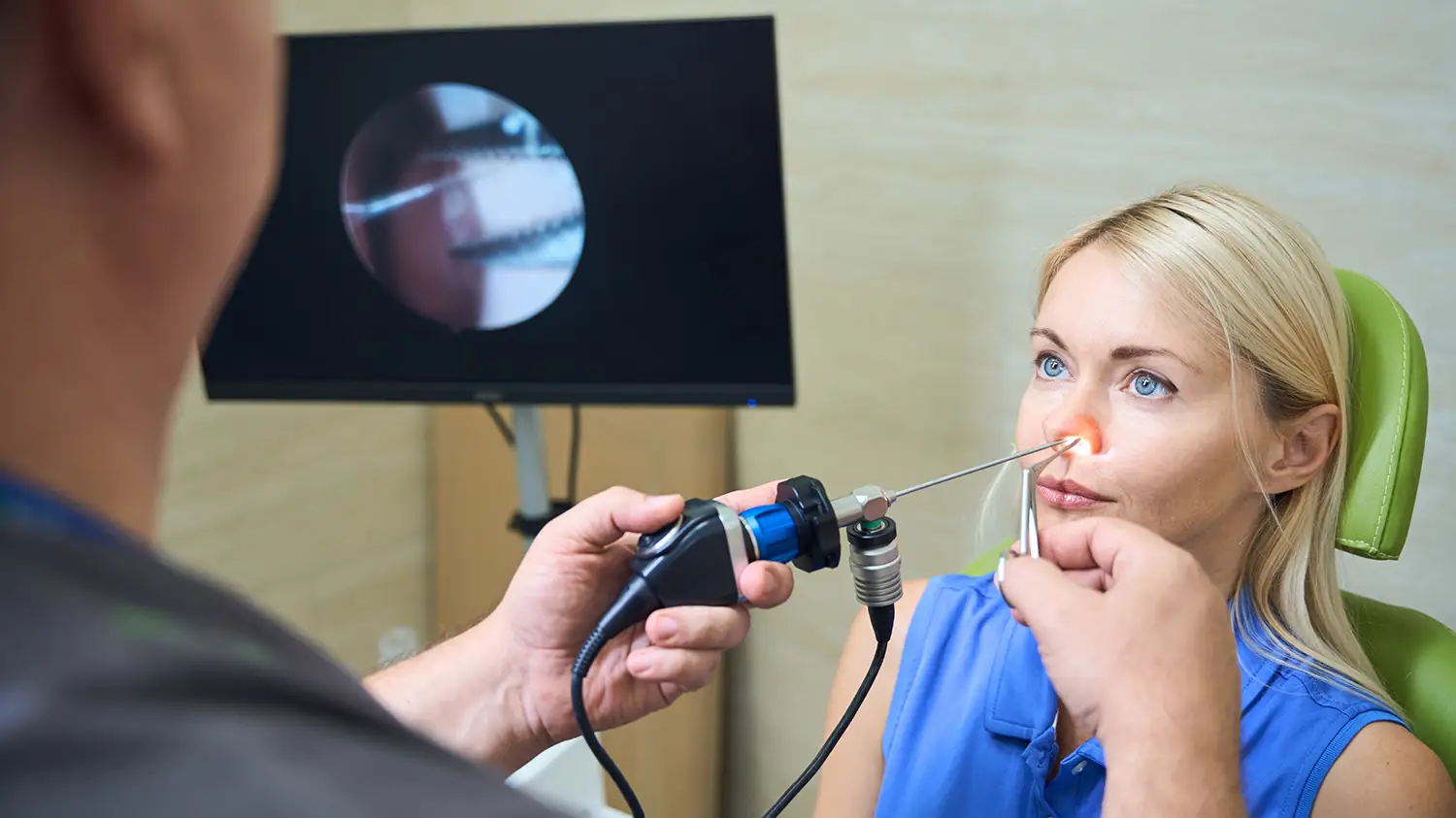
The procedure is performed under direct visualisation, allowing an ENT specialist to safely assess the ear and remove material without damaging surrounding structures, including the tympanic membrane (eardrum).
What Is Ear Wax And Why Does It Build Up?
Ear wax (cerumen) is a natural substance produced to protect the ear canal. It plays an important role in:
- Trapping dust and debris
- Lubricating the ear canal skin
- Supporting the ear’s natural cleaning process
In most cases, wax naturally moves out of the ear, helping maintain clean ears without intervention.
However, wax can sometimes become impacted. When this occurs, it may trap moisture behind the blockage. This environment can increase the risk of bacterial or fungal growth, occasionally contributing to hearing loss, irritation or ear infections.
Factors that may contribute to wax build-up include:
- Narrow or curved ear canals
- Increased wax production
- Use of hearing aids
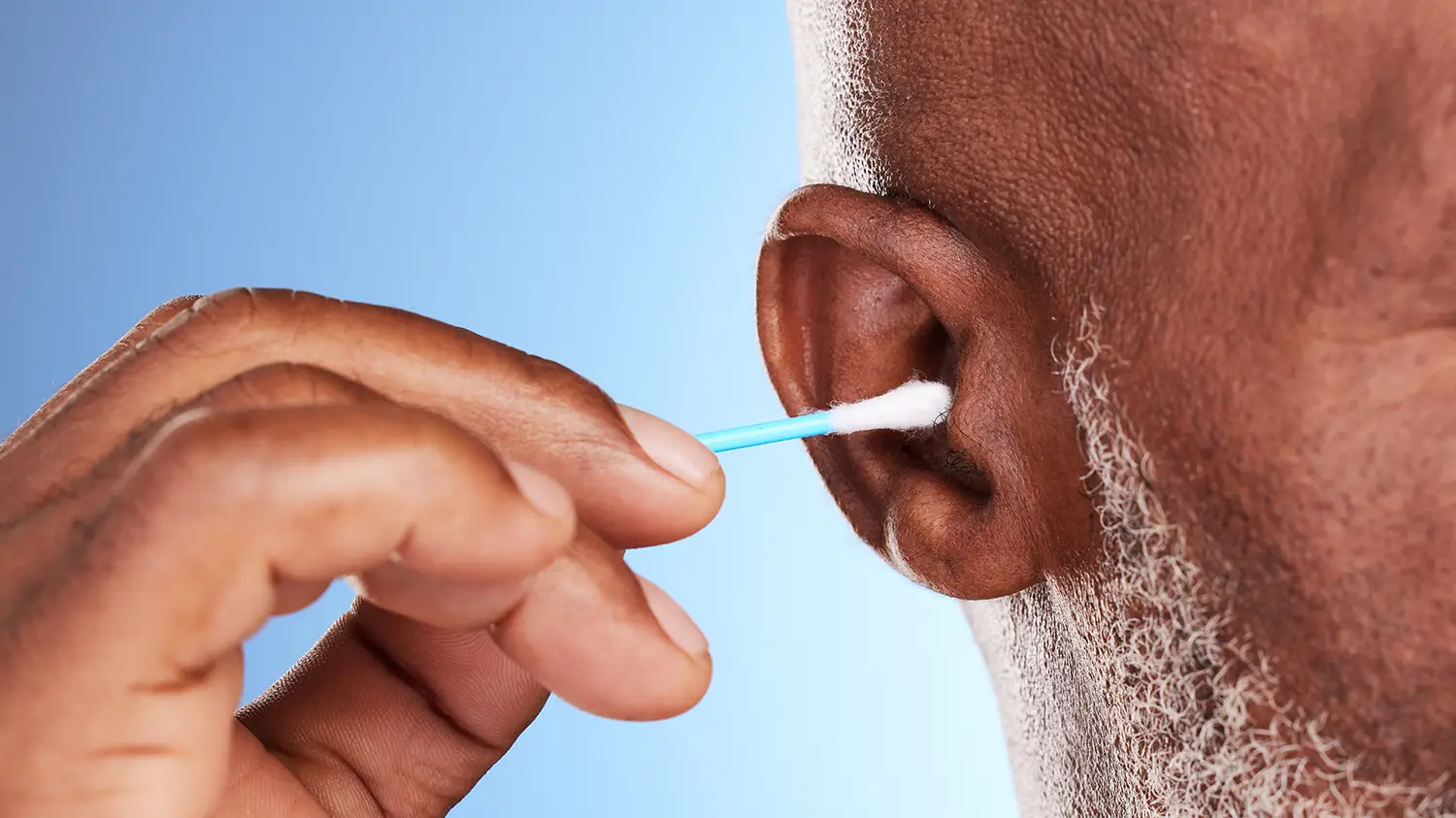
- Inserting cotton buds or objects into the ear canal
When Ear Toileting May Be Needed
Ear toileting may be recommended when there is:
- Reduced or muffled hearing due to wax build-up
- A blocked or full sensation in the ear
- Difficulty maintaining clean ears
- Wax preventing examination of the ear canal or eardrum
- Ear discharge requiring assessment
- Issues with hearing aid function
In some cases, symptoms that appear wax-related may instead be due to other conditions, such as otitis externa (inflammation of the external ear canal), which requires different management.
Do I Need Ear Toileting?
You may benefit from ear toileting if you experience:
- A blocked or “plugged” sensation in the ears
- Gradual or sudden hearing loss *insert link*
- Sound that feels muffled or reduced
- No improvement after wax softening drops
- Difficulty with hearing aids due to wax build-up
Because not all ear symptoms are caused by wax, assessment by an ENT specialist is important to confirm the underlying cause.
What NOT To Do Before Your Appointment
To avoid worsening wax impaction or irritation of the external canal, it is recommended to avoid:
- Cotton buds or ear swabs
- Ear candles
- Attempting to clean deep inside the ear canal
- Unsupervised irrigation or flushing at home
These methods can push wax further in, irritate the canal lining, or make removal more difficult.
Professional cleaning helps prevent damage associated with at-home cleaning methods, which are another common cause of impacted wax presentations.
What Happens During Ear Toileting? [H2]
1. Clinical Examination
The ENT specialist examines the ear canal and tympanic membrane to assess wax, debris and overall ear health.
2. Magnified Visualisation
A microscope or headlight is used to clearly view the external canal for safe and precise treatment.
3. Removal Of Ear Wax
Depending on the wax type and location, removal may involve:
- Microsuction (gentle vacuum removal)
- Fine instruments
- Careful extraction under direct vision
- In selected cases, irrigation (ear syringing)
Common Ear Toileting Methods
Microsuction
Microsuction is commonly preferred in ENT practice as it is suitable for most patients and is associated with fewer limitations compared to water-based methods.
Ear Syringing (Irrigation)
Ear syringing, also known as irrigation, uses warm water to help flush out wax from the ear canal. It relies on controlled water flow to soften and remove wax.
While it can be effective in selected cases, it is not suitable for everyone, particularly patients with:
- A history of ear surgery
- Suspected tympanic membrane perforation
- Active infection or inflammation of the ear canal
Water-based methods can also carry a small risk of temporary dizziness or vertigo during or after the procedure, as well as outer ear infection.
Does Ear Toileting Hurt?
Ear toileting is generally well tolerated and not considered painful. The procedure is always adjusted based on comfort and can be paused if needed.
Patients may notice:
- Mild pressure in the ear
- Sounds from suction or fluid movement
- Slight discomfort if the wax is hard or deeply impacted
Sensations During And After The Procedure
During ear toileting, it is common to experience:
- Suction or movement sounds in the ear
- A sensation of fullness releasing as wax is removed
- Mild, temporary sensitivity
Occasionally, transient dizziness may occur, particularly during vacuum-based removal, but this typically settles quickly.
After the procedure, most patients notice:
- Clearer hearing or reduced hearing loss symptoms
- A feeling of “lighter” or more open ears
- Mild temporary sensitivity in the canal
Is Ear Toileting Safe?
When performed by an ENT specialist, ear toileting is a safe and routine procedure.
Microsuction in particular is widely used because it reduces the risk of complications compared to water-based irrigation methods and allows precise control.
As with any procedure, rare and temporary effects may include:
- Mild irritation of the external canal
- Temporary dizziness
- In very rare cases, some trauma to the tympanic membrane may occur
These risks are minimised through careful technique and visual guidance throughout the procedure.
What To Expect After Ear Toileting
Many patients experience immediate improvement in hearing and a reduction in blockage sensation once the ear has been cleared.
Aftercare advice may include:
- Avoid inserting objects into the ear canal
- Keep ears dry for a short period if advised
- Use wax softening drops only if recommended
- Return for review if symptoms persist or recur
If symptoms such as pain, discharge or ongoing dizziness occur after treatment, further assessment is recommended.
When Ear Symptoms May Not Be Due To Wax
Not all blocked ear symptoms are caused by wax. Blocked or reduced hearing may be caused by conditions such as otitis media (a middle ear infection behind the eardrum) or fluid in the middle ear, and can produce similar symptoms and require different management. Other possible causes include:
- Otitis externa (infection or inflammation of the external canal)
- Eustachian tube dysfunction
- Rarely, issues involving the tympanic membrane, such as perforation
This is why assessment by an ENT specialist is important before treatment is performed, ensuring the correct diagnosis and proper management approach.
How Often Is Ear Toileting Needed?
Ear toileting is not required routinely for most people. Frequency depends on:
- Individual wax production
- Ear canal shape
- Use of hearing aids
- History of ear wax impaction
Some patients may require occasional treatment, while others may never need intervention. Maintaining naturally clean ears is usually managed by the body’s own self-cleaning process.
Ear Toilet Procedure: Key Points To Remember
Ear toileting is a simple and effective ENT procedure used to safely remove ear wax and debris from the external ear canal. It is performed under direct visualisation by an ENT specialist to ensure precision and safety.
The procedure can improve symptoms such as hearing loss, blockage and discomfort, and helps restore normal ear function when wax is the underlying cause.
Ear Toileting At Complete ENT
If you are experiencing blocked ears, changes in hearing, or suspect wax build-up, a clinical assessment can determine whether an ear toileting procedure is appropriate.
Complete ENT provides careful evaluation and tailored treatment to ensure the ear canal and tympanic membrane are assessed and managed safely and effectively. Contact our specialists today.