
Understanding the Connection to Sleep Disorders
Sleep disorders, including snoring and obstructive sleep apnoea (OSA) and other forms of sleep disordered breathing, affect millions of people worldwide. One often-overlooked contributor is nasal obstruction. Conditions such as nasal congestion, allergic rhinitis or structural issues can significantly increase the risk of sleep disturbances, leading to excessive daytime sleepiness and reduced quality of life.
Obstructive sleep apnoea syndrome is a severe form of sleep disordered breathing where the airway becomes partially or fully blocked during sleep. Nasal obstruction can play a key role in triggering these episodes, making it an important factor to consider in obstructive sleep apnoea treatment.
Understanding the connection between nasal obstruction and sleep disorders is essential for effective management, as untreated sleep apnoea can have serious consequences on daytime alertness, mental function, heart and brain health and overall well-being.
Nasal Physiology and Breathing
Nasal breathing is more than just a pathway for air; it plays a critical role in maintaining normal respiratory rhythms during sleep. When the nasal passages are blocked, nasal resistance increases, forcing individuals to breathe through the mouth instead. This disruption can lead to sleep disturbances, fragmentation and a higher risk of obstructive sleep apnoea.
Normal nasal airflow helps regulate the balance of oxygen and carbon dioxide in the body, optimises lung function and ensures the airway remains stable throughout the night. Variations in nasal passage size, nasal congestion or structural abnormalities like a deviated septum can compromise this delicate system, making sleep disordered breathing more likely. Ensuring nasal patency is essential for restorative sleep.
Upper Airway Obstruction and Sleep
Upper airway obstruction, which can include nasal blockage, is a major contributor to sleep disordered breathing. One condition closely associated with nasal obstruction is upper airway resistance syndrome (UARS), characterised by repeated episodes of partial airway obstruction during sleep which can cause disruption of natural sleep cycles.
Treating severe nasal obstruction can significantly reduce the frequency and severity of these sleep disturbances. Interventions may include medical management of congestion with nasal sprays or allergy treatments, nasal polyp removal or structural corrections like septoplasty. By improving nasal airflow, patients often experience better sleep quality, reduced snoring and fewer episodes of apnoea.
Nasal Obstruction and Sleep Disturbance
Chronic nasal obstruction causes difficulty breathing during sleep and can lead to fragmented sleep, insomnia and chronic excessive daytime sleepiness. Conditions such as allergic rhinitis and persistent nasal congestion are particularly problematic, as they can worsen sleep-disordered breathing over time.
Patients who experience habitual snoring, frequent awakenings or non-restorative sleep may have underlying nasal obstruction contributing to these issues. Simple interventions, like topical nasal steroids or nasal saline irrigation, can alleviate congestion, improving both sleep quality and overall comfort. In more severe cases, surgical options may be necessary to restore proper nasal airflow.
Mental Function and Sleep
Sleep is critical for cognitive performance and mental health. Sleep disorders, including obstructive sleep apnoea, can impair concentration, memory and decision-making, while also increasing the risk of accidents and mood disturbances.
When nasal obstruction leads to disrupted sleep, patients often experience chronic daytime fatigue and non-restorative sleep. Seasonal allergic rhinitis or chronic nasal congestion can exacerbate these effects. By addressing nasal obstruction through medications or sinus surgery, and improving sleep quality, patients can see measurable improvements in mental function, mood and overall well-being.
Nasal Obstruction Risk Factors and Prevention
Identifying and managing risk factors for nasal obstruction is key to preventing sleep disordered breathing. Common contributors include a history of nasal congestion, structural abnormalities such as a deviated septum, or chronic allergic conditions.
Environmental factors, sleep posture and nasal ventilation also influence airway stability during sleep. Preventative measures may include avoiding irritants, using topical nasal corticosteroids and addressing structural issues early.
Treatment and Management of Nasal Obstruction
Effective management of nasal obstruction and sleep-disordered breathing often requires a multifaceted approach. Medical options such as nasal steroids or nasal anesthesia can reduce congestion, while surgical treatments like septoplasty or turbinate reduction may restore proper airflow in cases of structural obstruction.
For patients with obstructive sleep apnoea, continuous positive airway pressure (CPAP) therapy, oral appliances, and lifestyle modifications may be recommended alongside nasal treatment. A comprehensive approach tailored to each patient’s needs ensures the best outcomes for both sleep quality and overall health.
Mouth taping is a popular online remedy, however it is important to note that this has been shown to improve sleep disordered breathing only in the presence of an adequate nasal airway. In patients with poor nasal breathing, mouth taping can significantly worsen airway obstruction and should not be considered.
Ongoing research continues to provide valuable insights into the mechanisms linking nasal obstruction and sleep disorders, helping clinicians refine treatment strategies for better patient outcomes. Read more about nasal obstruction research results.
Obstructive Sleep Apnoea Treatment with Complete ENT
Nasal obstruction is a significant factor in sleep disordered breathing and obstructive sleep apnoea, with wide-ranging consequences for sleep quality, mental function and overall health.
Recognising the connection between nasal obstruction and sleep disturbances allows for early intervention, effective treatment and improved quality of life. Whether through medical management, lifestyle adjustments or surgical solutions, addressing nasal obstruction can help restore restful sleep, enhance mental function and support your everyday well-being.
At Complete ENT, we provide expert assessment and personalised care to help patients overcome obstructive sleep apnoea-related issues, ensuring every patient receives the support they need for healthier, more restorative sleep.
Contact us today to book an appointment and take the first step toward better sleep and overall health.
Nasal Obstruction and Sleep Apnoea FAQs
Can nasal obstruction lead to severe sleep-disordered breathing?
Yes. Research by The University of Wisconsin Sleep and Respiratory Research Group has shown that nasal obstruction can significantly increase the risk of severe sleep disordered breathing by disrupting normal airflow through the nasal passages. When nasal resistance rises, the body must work harder to maintain oxygen levels during sleep. This can lead to repeated arousals, fragmented sleep and even prolonged apnoea episodes, where breathing temporarily stops.
Early assessment and treatment by an ENT specialist can reduce the severity of these events and prevent long-term complications such as cardiovascular strain and daytime fatigue.
How does a deviated nasal septum affect sleep?
A deviated nasal septum can create uneven airflow between the two nasal passages, reducing the narrowest cross-sectional area in the nose, increasing nasal airway resistance and reducing oxygen delivery during sleep. This structural issue often forces patients into mouth breathing, which bypasses the natural filtration, humidification and airflow regulation that nasal breathing provides. Over time, this can contribute to chronic nonrestorative sleep, fatigue and cognitive impairments. ENT evaluation can determine whether septoplasty or other corrective procedures may restore proper nasal airflow and alleviate sleep disruption.
What role does chronic nasal congestion play in sleep apnoea?
Chronic nasal congestion, whether due to congestion from allergy, sinus inflammation, or persistent swelling of the nasal passages, can lead to disturbed sleep and exacerbate sleep apnoea. Patients often experience repeated awakenings, reduced deep sleep and sleep fragmentation, which together contribute to daytime sleepiness, poor concentration and mood changes. Managing underlying congestion with medications, allergen avoidance or surgical interventions when needed can significantly improve breathing during sleep and reduce the frequency of sleep disordered breathing events.
Can mouth breathing at night indicate a problem?
Yes. Mouth breathing is often a compensatory response to nasal obstruction and can be a visible sign of underlying sleep disruption. Unlike nasal breathing, mouth breathing can reduce slow-wave sleep (the most restorative stage of sleep) and lead to sleep fragmentation. Long-term mouth breathing may also contribute to dry mouth, throat irritation and increased risk of upper airway collapse, particularly in patients with severe obstructive sleep apnoea. Addressing the root cause, whether congestion, structural obstruction or allergy, can help restore proper nasal breathing and improve overall sleep quality.
Are there non-surgical options to manage nasal obstruction and sleep apnoea?
Many patients respond well to non-surgical interventions. Acute nasal congestion can often be alleviated with topical nasal steroids, saline irrigation or nasal anesthesia, which help reduce inflammation and open the airway. Lifestyle modifications, including weight management, positional therapy and avoiding alcohol before bedtime, may also improve breathing patterns. In some cases, oral appliances can reposition the jaw and tongue to maintain airway patency. Non-surgical approaches are often the first step and can be highly effective, especially when combined with targeted management of underlying nasal conditions. Learn more about obstructive sleep apnoea treatment options.
When is nasal surgery recommended?
Nasal surgery may be indicated when structural abnormalities, such as a deviated nasal septum, enlarged turbinates, or nasal polyps, significantly increase nasal airway resistance and interfere with normal sleep. Procedures like septoplasty, turbinate reduction or polyp removal aim to improve nasal airflow, reduce sleep fragmentation and relieve chronic night-time symptoms. Surgery is usually considered after conservative measures have been trialled or when the obstruction is severe enough to impact sleep quality, overall health and day-to-day life.
How do ENT specialists evaluate sleep disturbances caused by nasal obstruction?
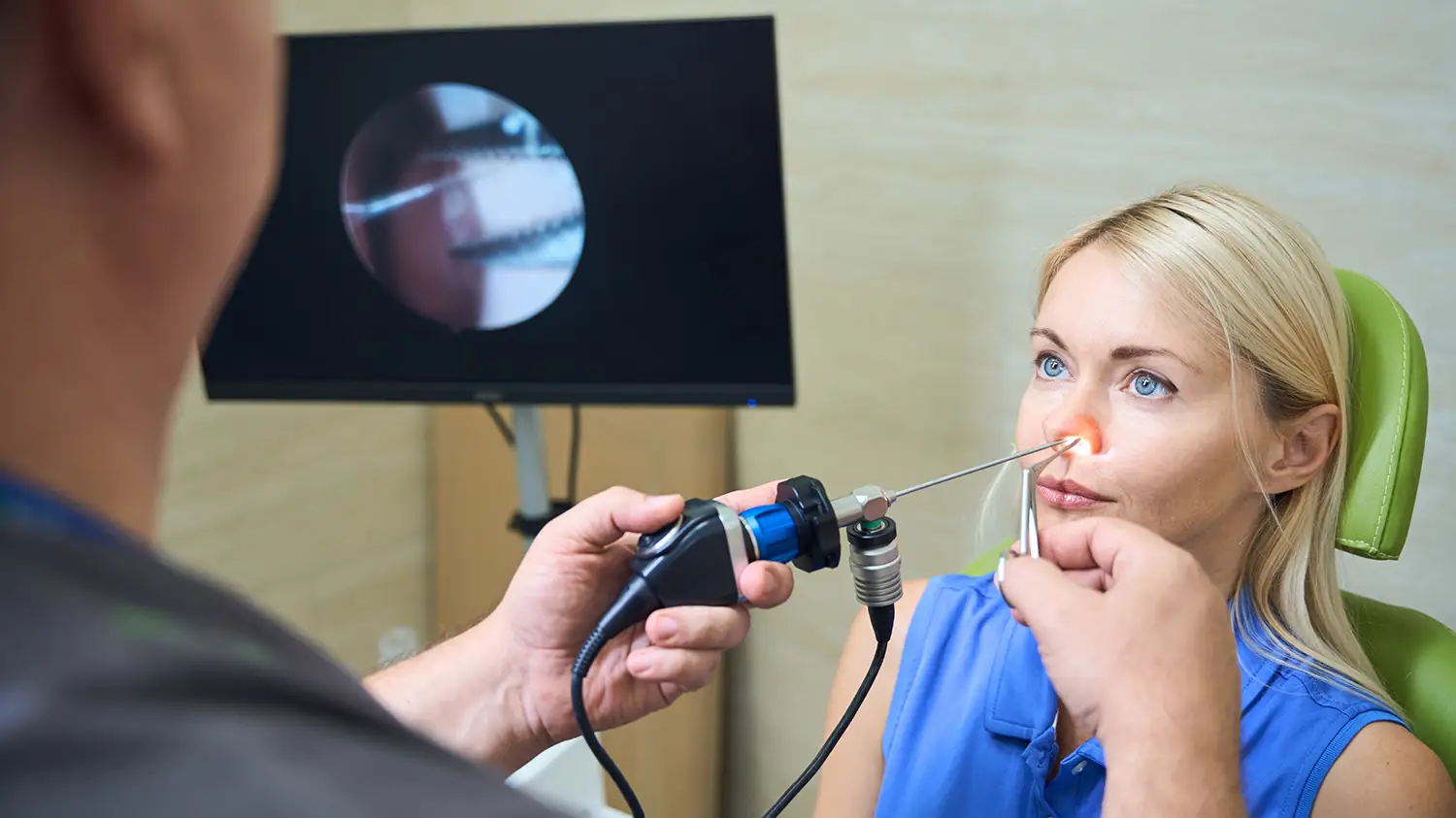
Our Complete ENT specialists begin with a comprehensive consultation and assessment, reviewing reported nasal congestion, nasal airway resistance and nasal obstruction results. They may conduct a physical examination, nasal endoscopy, nasal airflow testing or imaging to assess structural issues. Collaboration with a sleep laboratory or respiratory research group may also be recommended for more complex cases to measure sleep disordered breathing severity and identify risk factors. This multi-step evaluation ensures that both the nasal obstruction and its impact on sleep apnoea syndrome are thoroughly understood before treatment.
Can nasal obstruction affect mental function and daytime performance?
Absolutely. Sleep disordered breathing caused by nasal obstruction can impair mental function, reducing attention, memory and decision-making capacity. Chronic non-restorative sleep and fragmented sleep can lead to daytime fatigue, irritability, and even long-term cognitive decline if left untreated. By addressing nasal airway resistance and restoring proper airflow, patients often experience measurable improvements in mental clarity, focus and overall well-being, in addition to better sleep quality.
What are some signs that nasal obstruction is affecting sleep?
Signs may include reports of habitual snoring, experienced nighttime symptoms such as choking, gasping, or restlessness, and nocturnal oxygen desaturation. Patients may also notice daytime sleepiness, fatigue or difficulty concentrating, which often correlates with sleep fragmentation and severe obstructive sleep apnoea. Early recognition of these symptoms allows for timely interventions such as medical therapy or nasal surgery to improve airflow and overall sleep health.
Is there research on understanding nasal obstruction during sleep?
Research involving experimentally produced nasal obstruction or artificial nasal obstruction has helped clarify how blocked nasal airflow contributes to sleep-disordered breathing. Studies from institutions such as Wisconsin Sleep and publications in the Laryngoscope demonstrate the physiological effects of increased nasal airway resistance on sleep apnoea, slow wave sleep and nocturnal oxygen desaturation. These findings guide treatment strategies and highlight the importance of maintaining normal nasal resistance for optimal sleep and overall health.