
Rapid loss of hearing or sudden changes in hearing ability can be alarming, particularly when sudden hearing loss occurs without warning. Sudden Sensorineural Hearing Loss (SSNHL), sometimes referred to as sudden deafness, is considered a medical emergency, as early diagnosis and treatment can significantly influence outcomes.
What Is Sudden Sensorineural Hearing Loss?
Sudden sensorineural hearing loss is the rapid onset of diminished hearing, usually affecting only one ear, developing over hours or up to three days. The severity can range from mild changes to severe hearing loss or even profound hearing loss.
Many patients notice the problem only when using the phone or listening in a quiet space, often realising the change is isolated to one affected ear.
SSNHL is distinct from conductive hearing loss, which relates to sound transmission problems in the ear canal or middle ear, and from mixed hearing loss, which involves both conductive and inner ear components.
How Common Is Sudden Deafness?
Sudden sensorineural hearing loss affects approximately 5 to 20 people per 100,000 each year and can occur in otherwise healthy individuals with no prior hearing concerns.
What Causes Sudden Hearing Loss?
Sudden sensorineural hearing loss causes are believed to result from injury or dysfunction within the cochlea or auditory nerve. In many cases, no single cause is identified, a presentation known as idiopathic sudden hearing loss.
Recognised causes and associations include:
- Viral infections of the inner ear
- Blood flow disturbances affecting the cochlea
- Immune-mediated inner ear disease
- Ototoxic medications
- Inner ear fluid disorders
- Neurological conditions such as multiple sclerosis
- Very rarely, benign tumours affecting hearing and balance nerves
Sudden Sensorineural Hearing Loss Symptoms
The main symptom of sudden sensorineural hearing loss is a rapid decrease in hearing in one ear, often noticed when using the phone or in quiet environments. Sudden sensorineural hearing loss may present with additional symptoms, including:
- Tinnitus (hear ringing or buzzing in the ear)
- Sound distortion
- A blocked or full sensation in the ear
- Imbalance or dizziness
How Is Sudden Sensorineural Hearing Loss Diagnosed?
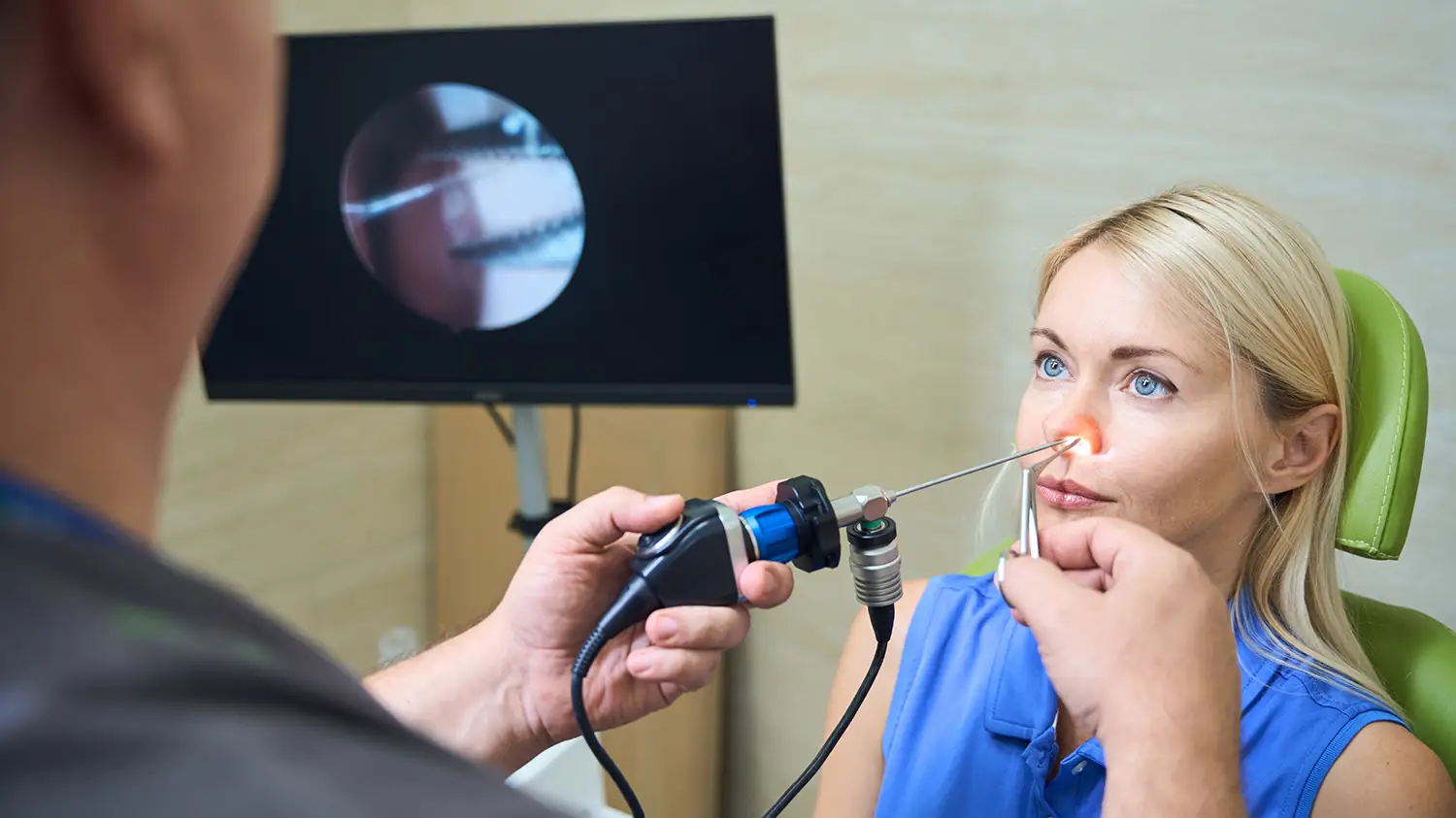
Diagnosis is based on clinical history, examination and an urgent hearing test. The aim is to confirm sensorineural loss and distinguish it from other causes of hearing change.
Further investigations may include magnetic resonance imaging to exclude rare structural or neurological causes. Assessment and management are guided by established evidence, including internationally recognised clinical practice guideline recommendations.
How To Treat Sudden Sensorineural Hearing Loss
The primary treatment for SSNHL is steroid therapy, which aims to reduce inflammation and swelling within the cochlea and improve the likelihood of hearing recovery.
Steroid treatment approaches may include:
- Oral steroids
- Steroid injections delivered directly into the middle ear
In selected cases, additional therapies such as hyperbaric oxygen therapy may be considered, based on individual circumstances and emerging evidence.
Your ENT specialist will tailor treatment based on timing, severity, medical history and current best practice.
Will My Hearing Ability Recover?
Hearing recovery varies. Improvement is more likely in patients who are under 65 years of age, have partial rather than complete loss and do not experience dizziness at onset.
When recovery occurs, it most commonly happens within the first one to two weeks, reinforcing the importance of early assessment.
Despite treatment, some individuals may experience permanent hearing loss. If this occurs, management options such as hearing aids and other assistive technologies can significantly improve communication and quality of life.
When Should You Seek Medical Advice?
Any sudden change in hearing should be assessed urgently. Prompt evaluation helps maximise the chance of recovery and ensures other causes of hearing impairment are not overlooked.
How Complete ENT Can Help
Sudden changes in hearing can be worrying, but a timely assessment can make a real difference. At Complete ENT, our experienced specialists provide comprehensive evaluations, including hearing tests, clinical examination and, if needed, magnetic resonance imaging.
We work closely with you to identify the cause of your hearing changes, discuss evidence-based treatment options such as steroid therapy, and guide you through every step of your care. Early review is particularly important for sudden sensorineural hearing loss, as this increases the chances of recovery of hearing.
If you notice sudden hearing changes, do not wait. Contact Complete ENT today to arrange a specialist assessment and get personalised advice for your affected ear.
Further Information
Patient Information Summary on Sudden Sensorineural Hearing Loss →
Overview of Sensorineural Hearing Loss →
Sudden Sensorineural Hearing Loss FAQs
What should I do if my hearing suddenly disappears?
Sudden loss of hearing in one ear is considered a medical emergency. Prompt diagnosis and early treatment can significantly improve hearing outcomes. Contact your ENT specialist or local healthcare providers immediately.
Can loud noise cause sudden sensorineural hearing loss?
Exposure to loud sounds or high sound intensity over a short period can lead to acoustic trauma, which may damage the cochlea and cause sudden hearing changes. Avoiding loud environments and using ear protection can help reduce such risk factors.
How is the severity of hearing loss measured?
Specialists assess hearing using pure tone audiometry, which includes both air conduction and bone conduction tests to determine hearing thresholds and distinguish sensorineural from middle ear effusion or conductive issues.
Could an underlying condition cause sudden hearing loss?
In some cases, SSNHL is associated with autoimmune disease, viral infections, including human immunodeficiency virus, or other systemic conditions. Your ENT may order blood tests to investigate potential causes.
What treatments are available?
The primary medical treatment is systemic steroids, often given intravenously via injections into the affected ear. In cases where hearing does not recover, salvage therapy may be considered, and options like cochlear implants can be discussed for a deafened ear.
Can head or ear injuries cause sudden hearing loss?
Yes, head trauma or direct injury to the ear can trigger sudden sensorineural hearing loss. Other structural issues, such as an acoustic neuroma, are rare but may also contribute.
How quickly should I be assessed?
Early intervention is crucial. SSNHL should be addressed immediately to maximise recovery. A thorough physical examination and audiological testing help guide appropriate treatment.
Will I recover my hearing fully?
Recovery varies among patients. Factors influencing hearing outcomes include age, degree of loss and whether hearing occurs only partially or completely in the affected ear. Some patients may experience permanent hearing loss, making ongoing management essential.