Sleep plays a critical role in a child’s growth, memory, learning and emotional regulation. When breathing is disrupted during sleep, it can affect far more than just rest. Obstructive sleep apnoea in children (often grouped under sleep disordered breathing) is a condition that deserves early attention and expert care.
Introduction to Paediatric Obstructive Sleep Apnoea
Paediatric obstructive sleep apnoea (OSA) is a common sleep disorder that affects a child’s breathing during sleep. It occurs when the upper airway becomes partially or completely blocked, leading to disrupted sleep and reduced oxygen levels.
Obstructive sleep apnoea syndrome involves repeated episodes of airway obstruction throughout the night. In children, this can range from loud, persistent snoring to pauses in breathing with gasping or choking sounds. Collectively, these conditions are often referred to as childhood sleep apnoea.
It is estimated that at least 3% of children in Australia experience sleep disordered breathing, most commonly between the ages of 3 and 6 years, although it can occur at any age. Early diagnosis is important, as untreated sleep apnoea can affect behaviour, learning and long-term health.
While continuous positive airway pressure (CPAP) therapy is sometimes used in severe sleep apnoea or for children who are born with other underlying conditions, many children benefit from other interventions, including surgery or targeted airway assessment such as a drug-induced sleep endoscopy (DISE). Understanding the causes and symptoms allows families and healthcare professionals to make informed decisions.
Causes and Risk Factors of Obstructive Sleep Apnoea
The most common cause of paediatric obstructive sleep apnoea is enlarged tonsils and adenoids, which narrow the airway and obstruct normal breathing during sleep. Adenoids sit at the back of the nose and cannot usually be seen without specialist examination.
Other contributing risk factors include:
- Swelling of the nasal lining (enlarged turbinates)
- Obesity or being overweight
- Low or floppy muscle tone
- Abnormal anatomy, such as a small jaw, large tongue or laryngomalacia
- Genetic or neurological conditions, including Down syndrome
Less commonly, children may experience central sleep apnoea, where breathing pauses occur because the brain does not send consistent signals to the breathing muscles.
Children with a family history of sleep apnoea or previous airway surgery may also be at higher risk. Identifying and addressing contributing factors early can significantly improve outcomes.
Symptoms of Childhood Sleep Apnoea
Symptoms of sleep apnoea in children can be subtle and are not always limited to night-time breathing issues. Common signs include:
- Loud, persistent snoring
- Restless or disturbed sleep
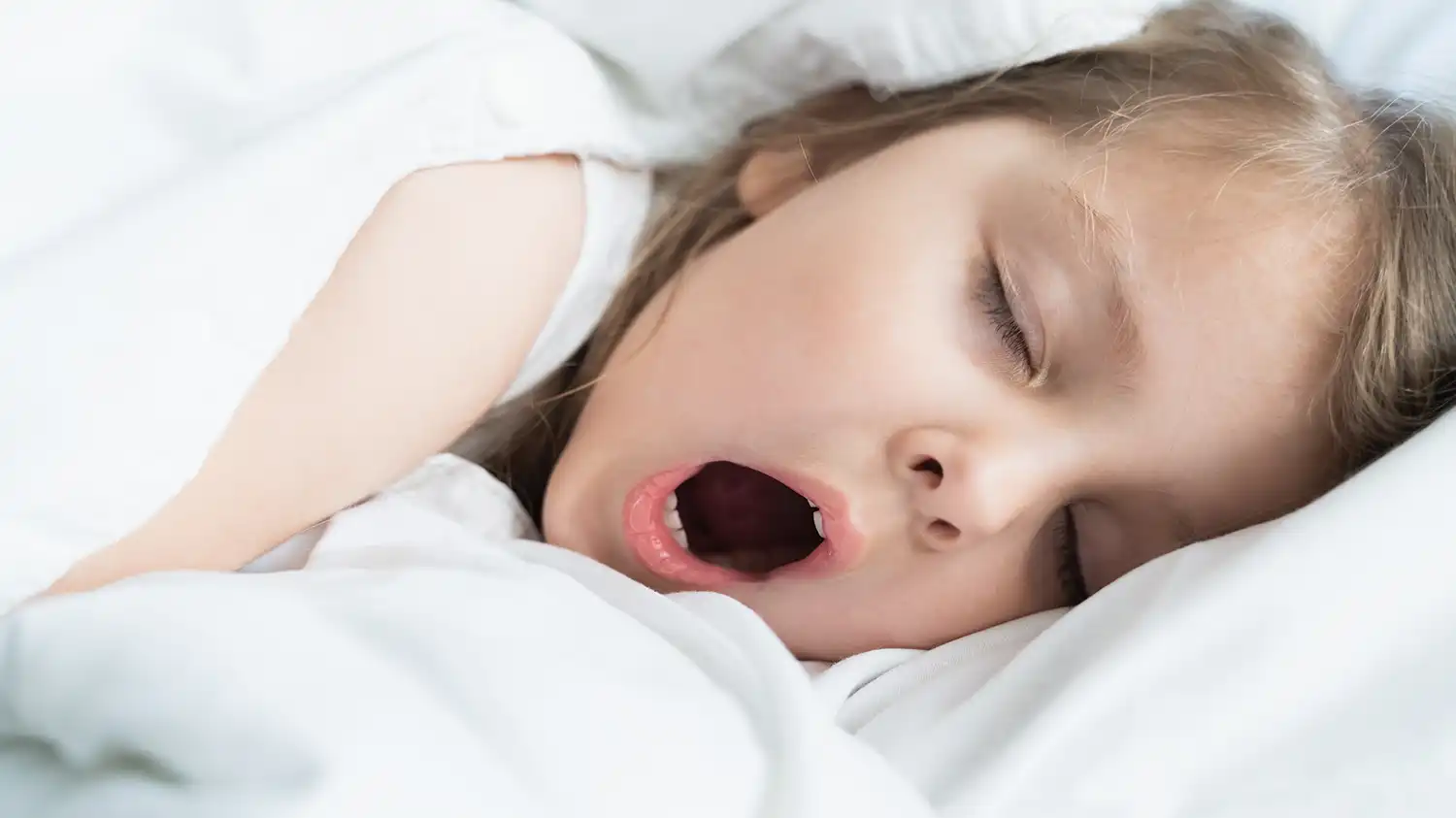
- Abnormal sleeping positions, such as sleeping with the head tilted back and mouth open
- Gasping or choking sounds during sleep
Daytime symptoms are equally important and may include:
- Daytime sleepiness or reduced energy levels
- Difficulty concentrating or “zoning out” at school
- Behavioural changes
- Ongoing mouth breathing or nasal blockage
- Prolonged daytime napping beyond expected age
Some children never sleep through the night and wake feeling tired despite adequate sleep duration; this is a key indicator that the child’s breathing may be compromised during sleep.
Diagnosing Apnoea in Children
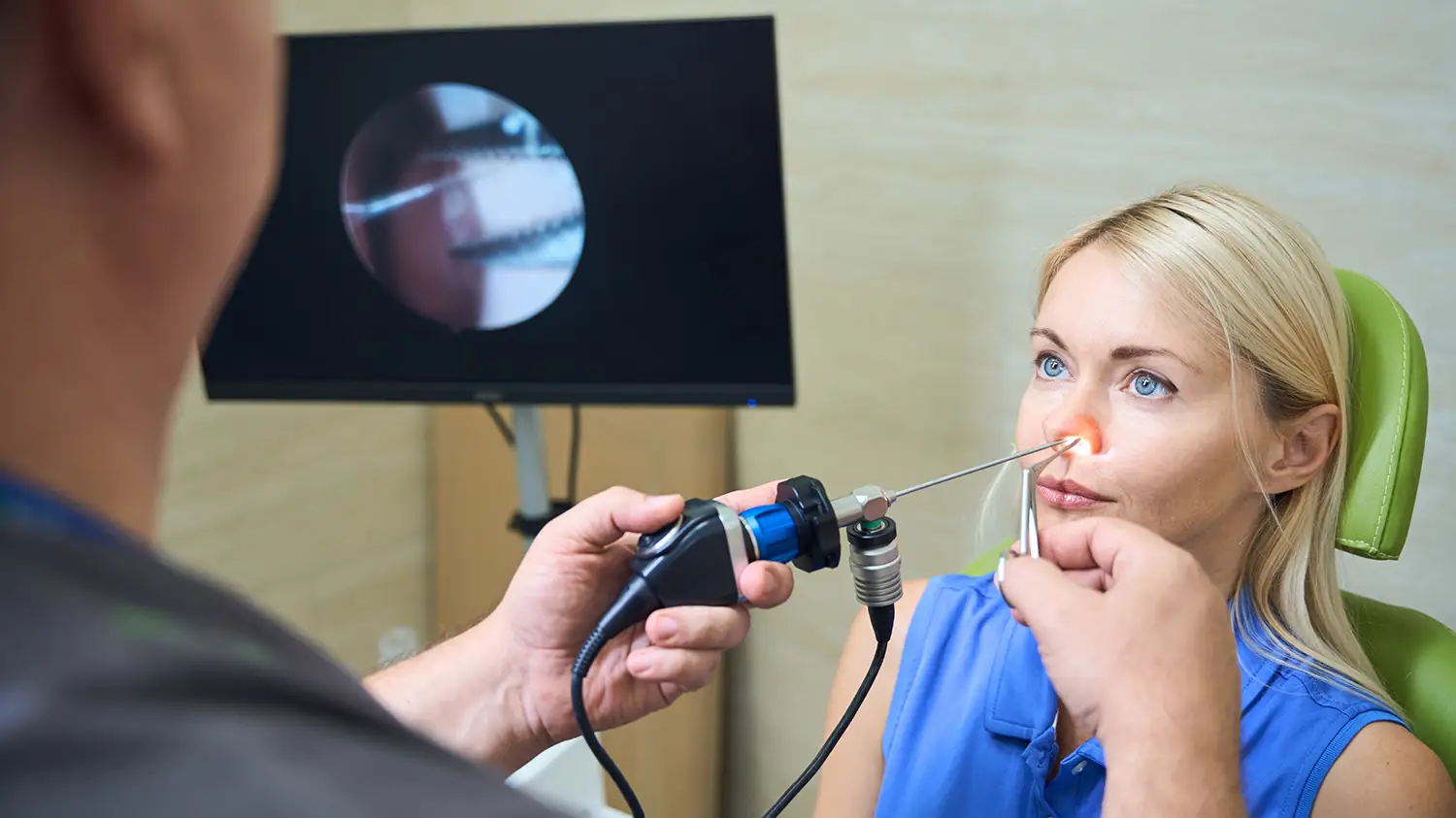
Diagnosis begins with a thorough sleep history and physical examination of the nose and throat by an ENT specialist. Parents are often encouraged to provide phone/video recordings of their child sleeping, which can be extremely helpful in identifying a suspected obstructive sleep apnoea. Validated questionnaires are often helpful in identifying children who may have sleep disordered breathing.
Unlike adults, formal sleep studies are not always required. They are usually reserved for children where the diagnosis is unclear, symptoms are severe, or there are complicating medical conditions.
In selected cases, assessment within a sleep medicine framework or advanced airway evaluation, such as DISE, may be recommended to determine the exact site of obstruction.
Treatment Options for OSA in Children
Treatment depends on symptom severity and the underlying cause.
For mild symptoms, treatment may not be required immediately. Enlarged adenoids can shrink naturally with age, and some children improve as their airway grows.
For moderate to severe sleep apnoea, surgical treatment is often recommended. The most common procedure is adenotonsillectomy (removal of the tonsils and adenoids), sometimes combined with minimally invasive nasal surgery to improve airflow.
Continuous positive airway pressure (CPAP) therapy may be recommended for children who cannot have surgery or who continue to have symptoms after surgery.
Surgical Options to Treat Sleep Apnoea in Children
When your child has severe OSA, or when enlarged tonsils and adenoids are causing airway obstruction, surgery is often the most effective solution. The primary surgical options include:
Adenotonsillectomy (Tonsil and Adenoid Removal)
This is the most common procedure for children with sleep apnoea. It involves removing the tonsils and adenoids to open the airway, allowing the child to breathe freely during sleep. This surgery is most commonly recommended before age 5 if possible, to minimise any impact on learning, behaviour and overall development.
- Performed under general anaesthesia
- Typically requires an overnight hospital stay
- Recovery usually takes 10–14 days, during which the child may need time off from school or daycare
- Most children experience improved sleep, reduced snoring, and better daytime energy following recovery
Nasal Surgery
In some children, nasal obstruction due to enlarged turbinates or chronic congestion can worsen sleep apnoea. Minimally invasive nasal procedures may be performed at the same time as adenotonsillectomy to widen the nasal passages and improve airflow.
Other Considerations
For children who are not suitable candidates for surgery, or for those with persistent symptoms after surgery, additional interventions may include:
- Continuous Positive Airway Pressure (CPAP) therapy
- Follow-up airway assessments, sometimes using drug-induced sleep endoscopy (DISE)
- Addressing contributing factors such as allergies, obesity or facial skeletal growth problems.
Surgery is highly effective in most cases, and early intervention can dramatically improve a child’s sleep, behaviour and overall quality of life. Parents should discuss the risks, benefits and recovery process with their ENT specialist to make an informed decision.
Childhood Sleep Apnoea and Its Consequences
Early diagnosis and treatment significantly reduce these risks and improve overall quality of life. Untreated paediatric sleep apnoea can have serious long-term effects. Repeated airway obstruction may lead to:
- Behavioural and learning difficulties
- Poor school performance
- Cardiovascular strain
- Growth and developmental concerns
- In rare cases, pulmonary hypertension
Sleep Related Symptoms and Daytime Symptoms
Night-time symptoms such as snoring and restless sleep are often the most noticeable, but daytime symptoms are frequently what prompt concern.
Children with obstructive sleep apnoea may appear inattentive, overly tired or hyperactive during the day. Morning headaches, difficulty waking and persistent fatigue are also common.
Addressing sleep quality often leads to noticeable improvements in mood, behaviour and school engagement.
Enlarged Adenoids and Sleep Apnoea
Enlarged adenoids are one of the most frequent contributors to sleep apnoea in children. They can cause constant nasal blockage, mouth breathing and chronic congestion.
When adenoids significantly obstruct airflow, adenoidectomy may be recommended. In some cases, medical treatments such as nasal sprays may help reduce inflammation, but surgery is often the most effective long-term solution.
Sleep Apnoea and Its Impact on Daily Life
Sleep apnoea affects more than just sleep. Children may struggle socially, emotionally and academically due to ongoing fatigue and disrupted rest.
Parents often notice improvements in behaviour, attention and overall wellbeing once normal breathing during sleep is restored.
Parental Involvement in Managing Sleep Apnoea
Parents play a vital role in identifying symptoms and signs of sleep disordered breathing in children, as well as in supporting treatment. Observing sleep patterns, recording symptoms and attending follow-up appointments all contribute to better outcomes.
Working closely with your ENT specialist ensures your child receives the care necessary to reduce sleep disturbance.
Education and Awareness about Sleep Apnoea
Raising awareness of sleep apnoea in children is essential. Many families assume snoring is normal, when it can be a sign of significant airway obstruction.
Education empowers parents to seek early assessment and helps prevent long-term consequences.
Community Resources for Sleep Apnoea
Trusted healthcare providers, paediatric ENT specialists and reputable hospital resources provide valuable support and guidance for families managing childhood sleep apnoea.
Access to accurate information helps families feel confident and informed throughout the diagnostic and treatment process.
Managing Risk Factors for Sleep Apnoea
Managing contributing factors such as nasal congestion, allergies and weight can support treatment outcomes. A healthy lifestyle and addressing underlying medical conditions can also reduce symptom severity.
A comprehensive, individualised approach ensures the best possible long-term results for children affected by sleep apnoea.
Supporting Your Child’s Sleep Health
Sleep disordered breathing in children can affect more than nightly rest, influencing behaviour, concentration and growth. Some children with sleep disordered breathing may also have a second sleep disorder, and comprehensive specialist assessment is important to identify and treat these issues. Early assessment is essential if you notice signs such as childhood snoring, restless sleep or daytime sleepiness.
For more information on childhood sleep apnoea, visit the Royal Children’s Hospital fact sheet: Childhood Obstructive Sleep Apnoea (OSA).
At Complete ENT, we are dedicated to providing expert guidance, compassionate care, and individualised treatment options for children with paediatric sleep apnoea. Your child’s healthy sleep is our priority. Contact our team today.
Sleep Apnoea In Children: FAQs
How Common Is Sleep Apnoea in Children?
Sleep apnoea in children is more common than many parents realise. It is estimated that at least 3% of children in Australia are affected by sleep disordered breathing, including paediatric obstructive sleep apnoea. The condition is most frequently seen in children between the ages of three and six, when tonsils and adenoids are relatively large in relation to the airway.
While occasional snoring can be normal, persistent snoring, disrupted sleep or breathing pauses are not. Because symptoms often occur at night, sleep apnoea can go unrecognised for long periods, with daytime signs such as tiredness, behavioural changes, or learning difficulties sometimes being the first clue that something is wrong.
Early assessment is important, as timely treatment can prevent long-term impacts on a child’s health and development.
How To Manage Obstructive Sleep Apnoea in Children?
Managing obstructive sleep apnoea in children begins with understanding the underlying cause. In many cases, the obstruction is related to enlarged tonsils, adenoids, or nasal structures. A detailed sleep history, physical examination, and sometimes video recordings of the child sleeping help guide management decisions.
For children with mild symptoms, careful monitoring may be all that is required, particularly as some children improve as they grow and their airway enlarges. Managing contributing factors such as nasal congestion, allergies, or weight can also play an important role.
Children with more significant symptoms, disrupted sleep, or daytime impairment usually require more active treatment. Ongoing follow-up is important to ensure symptoms resolve and breathing during sleep remains stable over time.
How to Treat Sleep Apnoea in Children?
Treatment for sleep apnoea in children is tailored to the severity of symptoms and the child’s individual anatomy. The most common and effective treatment for moderate to severe cases is surgical removal of the tonsils and adenoids (adenotonsillectomy), which helps restore normal airflow during sleep.
The goal of treatment is always to restore healthy, uninterrupted sleep, supporting a child’s growth, learning and overall wellbeing.