
Endoscopic sinus surgery is a minimally invasive surgery designed to treat paranasal sinus conditions and sinus disease, such as chronic sinusitis, recurrent infections, nasal polyps or blockages that affect normal sinus function. Using an endoscope (a thin camera inserted into the nasal cavity), our surgeons can precisely identify and remove blockages or diseased tissue, restoring a functional sinus cavity.
The goal of the endoscopic sinus surgery procedure is to remove inflamed tissue and nasal polyps, open widely the entrances to the sinuses, and to allow improved access for medications that can sustain the benefit of improved sinonasal health. Sinus surgery in combination with ongoing medical treatment has an excellent record of improving symptoms such as congestion and nasal obstruction, helping patients regain comfort and quality of life, free from inhibiting nasal and sinus problems.
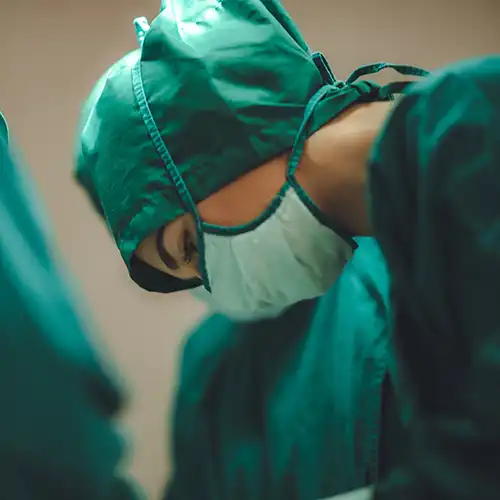
Endoscopic sinus surgery, (ESS) which has traditionally been referred to as functional endoscopic sinus surgery (FESS), is typically performed in a hospital setting under general anesthesia. The surgeon inserts a thin nasal endoscope (camera) into the nostrils to gain an enlarged view of the sinuses. They then use micro-instruments to carefully remove blockages like nasal polyps or diseased tissue, or correct anatomical variations of the bony structures inside the nasal cavity to restore the natural drainage and ventilation pathways, without making any external incisions. This type of endoscopic surgery is considered to be a minimally invasive procedure as it completely avoids any cuts or scars on the face.

The term FESS has been used for many years and continues to be a handy shortcut for describing sinus surgery procedures. The word “functional” describes a minimalistic approach that aims to make a small opening to the sinuses, with the thought that simply allowing air to recirculate would cure disease.
However, as our understanding of sinus disease grows, we recognise that simply opening up a small entrance into a diseased sinus cavity is not enough to get long term relief. Instead, modern sinus surgery aims to remove all diseased tissue and obstructions that prevent getting medicine effectively around the whole sinus cavity after surgery.
As such, the use of the word “functional” has increasingly been dropped from the title of sinus surgery procedures although “FESS” often remains in use as it has become so deeply ingrained as a shorthand term.
The procedure usually takes between 60 and 90 minutes for most patients, although complex cases may take longer.
Typical Duration: 60 to 90 minutes for a standard endoscopic sinus surgery.
Complex Cases: Procedures involving additional corrections (like a septoplasty or polyp removal) may take up to two hours. Extended sinus surgery involving the frontal sinuses may take even longer, often three to four hours.
Recovery: You should plan to spend approximately 1–2 hours in the immediate recovery ward following the surgery.
Same-Day: Endoscopic sinus surgery is often performed as a day procedure, meaning you are typically discharged several hours after surgery once our team is satisfied with your post-operative status.
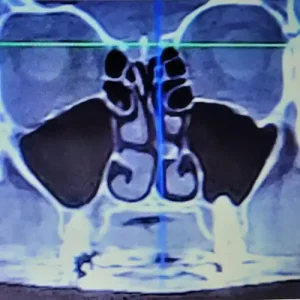
The paranasal sinuses are air-filled cavities located in the skull and facial bones, connected to the nasal passages. The sinuses play a crucial role in overall respiratory health. We often think of the nose and sinuses being connected to the lungs in a single unified airway, and the health of the sinuses is absolutely linked to lung health.
Each sinus is lined with a membrane that produces mucus to help trap dust, bacteria and other particles. It also contains cells of the immune system that can signal when a foreign invader such as a virus has been detected. In addition, the lining of the sinuses and nose contain the smell sense receptors that are crucial to helping you not only to smell but also taste.
The main nasal sinuses include:
The most common reason for endoscopic sinus surgery is when there is chronic inflammation of the sinuses (chronic rhinosinusitis). Endoscopic sinus surgery is considered for patients whose sinus symptoms significantly impact their quality of life and have not been successfully controlled by medical treatments alone. Your ENT specialist will conduct a thorough assessment, including a detailed medical history, physical examination, and often tests, such as a CT scan, to determine the most appropriate approach to sinus surgery.

Most patients with chronic rhinosinusitis will only require one operation, but on occasion patients with very difficult to control disease may need second or third operations in their lifetime. This is called “revision sinus surgery”. In these cases, your surgeon may discuss doing some extended work within the sinuses to use a precise surgical drill to widen the natural openings to the sinuses.
Aside from chronic rhinosinusitis, endoscopic sinus surgery may be recommended for the following situations:
Chronic sinusitis involves long-term inflammatory disease of the sinuses, often lasting 12 weeks or longer, despite taking medication such as antibiotics, nasal steroid sprays or rinses. Despite these treatments, some patients will not achieve significant relief from their symptoms without the addition of surgery.
Patients typically experience sinusitis symptoms such as:
Endoscopic Sinus Surgery can help improve these symptoms, not only in the short term, but also for sustained improvement by restoring a pathway as access for medications. This improves the sinus health and has been shown to improve other aspects such as asthma control, sleep and mood.
Nasal polyps are soft, noncancerous growths that develop in the nasal passages or sinuses and are a signal of something which is causing inflammation in the sinuses. Symptoms may include:
Surgical removal of polyps during endoscopic sinus surgery can restore airflow and access for medications, improve breathing and the sense of smell.
Structural issues such as a deviated septum, narrow sinus openings, or air pockets that form within the bones of the sinuses, can prevent proper sinus drainage and contribute to persistent symptoms. Endoscopic sinus surgery can allow the surgeon to carefully address these variations, improving sinus function and reducing the likelihood of future problems.

Endoscopic Sinus Surgery offers several advantages for patients, including:
Early appropriate sinus surgery has been shown to provide sustained benefit in not only sinus symptoms but also in improving health in other aspects such as smell, sleep and mood. It has even been shown that early appropriate surgery can benefit lung health with a lower rate of development of adult asthma; and in better control of asthma symptoms for those patients who developed asthma as a child or young adult. Sinus disease can affect many aspects of health outside the sinuses, and appropriate use of surgery is an excellent way to help regain control of quality of life.
Your Complete ENT surgeon will discuss whether Endoscopic Sinus Surgery is the most appropriate treatment for your specific condition.

Immediately after the operation, patients are monitored closely in the recovery room. Mild discomfort, pain, fluid, or minor bloody discharge may occur, and these are usually managed effectively by medical staff. Pain relief will be administered as recommended. Most people experience only temporary symptoms, and extremely rare complications are promptly addressed. Some patients may stay overnight, particularly if it was a long or very complex procedure.
At home, it is important to follow the post-operative guidance provided by your ENT specialist. Patients are advised to avoid blowing their nose, refrain from heavy lifting, and limit strenuous activity for at least two weeks. Pain management and head elevation support comfort, while nasal rinses and gentle cleaning help the sinuses heal. Most people can resume a normal routine gradually over the next few weeks. Learn more about post operative care with Complete ENT.
Proper nose care ensures that scar tissue does not impede healing and helps maintain a functional sinus cavity. Recommendations may include:
Follow-up appointments are an essential part of recovery after endoscopic sinus surgery. These visits allow your surgeon to monitor healing, manage any issues early and ensure the best possible outcome.
During follow-up appointments, your surgeon may:


At Complete ENT, our experienced team provides comprehensive care for sinus disease, from diagnosis through surgery and follow-up. Meet the specialists in otolaryngology who will work alongside dedicated healthcare professionals to ensure the highest standard of treatment and patient support.
Choosing a trusted ENT specialist and medical team helps ensure safe, effective care and the best possible outcomes for patients undergoing endoscopic sinus surgery.

Call us on
07 3905 5999