Sleep apnoea is a common sleep disorder that causes repeated pauses in breathing during sleep. Many people with OSA may stop breathing multiple times throughout the night without realising it, preventing restful sleep and placing strain on the body over time. While many people think of it as simply loud snoring or poor-quality sleep, untreated sleep apnoea can have serious long-term health consequences.
In severe cases, sleep apnoea can contribute to life-threatening complications, including heart disease, stroke, dangerous heart rhythm disturbances, and increased risk of sudden cardiac death. However, direct death from an isolated apnoeic episode is considered uncommon. More often, the danger comes from the ongoing strain sleep apnoea places on the cardiovascular and respiratory systems over time.
The encouraging news is that effective treatment can significantly reduce these risks. Early diagnosis and appropriate management often improve sleep quality, daytime function, cardiovascular health and overall quality of life.
What Is Sleep Apnoea?
Sleep apnoea is a condition where breathing repeatedly stops or becomes significantly reduced during sleep. These interruptions may last for several seconds and can occur dozens or even hundreds of times throughout the night.
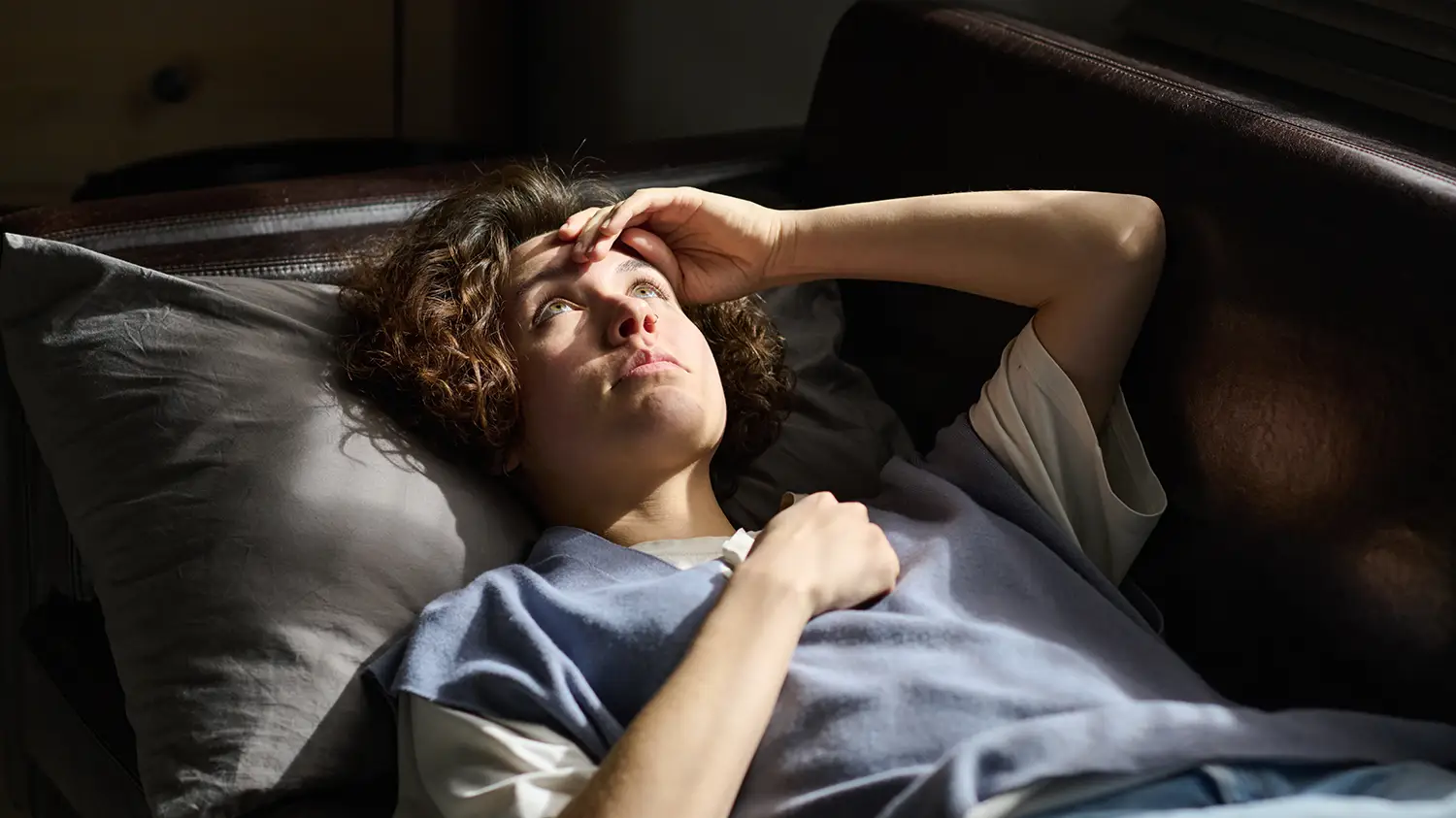
These breathing interruptions often disrupt normal sleep cycles, even if the person does not fully wake or remember the events. As symptoms worsen, many patients experience difficulty staying alert during the day or report daytime sleepiness affecting work, concentration and driving safety.
The two main types are:
Obstructive Sleep Apnoea (OSA)
Obstructive sleep apnoea is the most common form. It occurs when the muscles and soft tissues in the throat relax excessively during sleep, causing partial or complete blockage of the airway.
Central Sleep Apnoea (CSA)
Central sleep apnoea occurs when the brain temporarily fails to send the correct signals to the breathing muscles. Unlike OSA, the airway itself may remain open, but breathing effort becomes impaired.
Sleep apnoea is extremely common. Studies estimate that obstructive sleep apnoea affects hundreds of millions of adults and children worldwide, although many people remain undiagnosed.
Symptoms Of Sleep Apnoea
Symptoms can vary depending on the severity and type of sleep apnoea, but common signs include:
- Loud or chronic snoring
- Witnessed pauses in breathing during sleep
- Gasping or choking during sleep
- Excessive daytime sleepiness
- Morning headaches
- Difficulty concentrating
- Irritability, mood swings or sudden mood changes
- Dry mouth on waking
- Poor sleep quality, restless sleep or frequent waking
Many patients also experience difficulty falling asleep again after waking episodes, particularly when breathing disturbances trigger choking sensations or sudden awakenings. People with obstructive sleep apnoea often snore heavily and experience airway collapse during sleep. In central sleep apnoea, snoring may be less prominent, and symptoms are sometimes linked to underlying neurological or cardiac conditions.
Some symptoms warrant urgent medical attention, including:
- Episodes of waking, unable to breathe
- Severe daytime drowsiness affecting driving or work safety
- Chest pain during the night
- Fainting episodes
- Irregular heartbeat
- Symptoms of stroke, such as facial weakness or speech difficulty
Can You Die In Your Sleep From Sleep Apnoea?
The short answer is yes. Untreated sleep apnoea can increase the risk of death, particularly when the condition is severe or associated with other serious health conditions. While direct death from a single apnoeic event is considered uncommon, ongoing breathing disturbances can significantly affect long-term life expectancy and cardiovascular health.
Most deaths linked to sleep apnoea are indirect rather than caused by a single breathing pause. Repeated drops in oxygen levels and disrupted sleep place ongoing stress on the heart, blood vessels and brain. Over time, this increases the risk of serious cardiovascular disease and other complications.
Research has also shown an association between sleep apnoea and sudden cardiac death, particularly during sleeping hours when breathing disturbances are most severe. Research into sleep apnoea-related mortality continues to examine how repeated overnight oxygen deprivation and cardiovascular stress contribute to long-term health risks in untreated patients.
In some situations, severe untreated sleep apnoea may contribute to:
- Dangerous cardiac arrhythmias
- Heart attack
- Stroke
- Respiratory failure
- Fatal motor vehicle accidents caused by excessive sleepiness
The overall risk depends on factors including apnoea severity, age, weight, cardiovascular health, and whether treatment is being used consistently.
How Sleep Apnoea Increases Risk Of Death
Sleep apnoea affects far more than sleep quality alone. Repeated interruptions in breathing can trigger widespread physiological stress throughout the body.
Oxygen Desaturation And Organ Stress
Each breathing pause can reduce oxygen levels in the blood. These repeated oxygen drops, known as oxygen desaturation events, place strain on the heart, brain, and other organs.
Treatment aims to help restore normal oxygen levels during sleep and reduce the physiological stress caused by repeated breathing interruptions.
Sympathetic Nervous System Activation
Sleep apnoea repeatedly activates the body’s stress response system. This increases sympathetic nervous system activity, causing surges in heart rate and blood pressure throughout the night. Over time, these repeated stress responses may contribute to broader health issues affecting cardiovascular and metabolic function.
Persistent sympathetic activation is associated with:
- Hypertension
- Cardiovascular disease
- Arrhythmias
- Increased inflammatory responses
Stroke Risk
Untreated sleep apnoea is strongly associated with an increased risk of stroke. Repeated oxygen fluctuations, blood pressure changes, and vascular stress can all contribute to cerebrovascular disease.
Respiratory Complications
In some people, particularly those with chronic lung disease, obesity hypoventilation syndrome, or neuromuscular disorders, sleep apnoea can worsen respiratory failure and impair oxygen exchange during sleep.
Accident Risk From Daytime Sleepiness
Excessive daytime sleepiness significantly increases the risk of motor vehicle and workplace accidents. Microsleeps and impaired concentration can become dangerous, especially when driving or operating machinery.
Cardiac Effects: Heart Disease And Arrhythmias
One of the most significant concerns with untreated sleep apnoea is its effect on cardiovascular health.
Heart Disease
Repeated oxygen deprivation and sleep fragmentation place sustained stress on the cardiovascular system. Obstructive sleep apnoea is associated with increased risk of:
- Coronary artery disease
- High blood pressure
- Heart failure
- Heart attack
Atrial Fibrillation
Sleep apnoea is also linked to atrial fibrillation, a common abnormal heart rhythm that increases stroke risk. Episodes of low oxygen and pressure changes within the chest may contribute to electrical instability in the heart.
Sudden Cardiac Death
Several studies have found that severe sleep apnoea is associated with a higher risk of sudden cardiac death, particularly during overnight hours. The risk appears to rise with increasing severity of oxygen desaturation and apnoea frequency.
Research has also demonstrated that untreated severe sleep apnoea is associated with higher overall risk of death compared with treated patients or those with milder disease.
Who Is Most At Risk: People With Sleep Apnoea
Although sleep apnoea can affect people of any age or body type, some people with OSA are at significantly higher risk of developing complications, particularly when additional cardiovascular or metabolic risk factors are present.
Additional risk factors may include obesity, smoking, alcohol use, certain anatomical airway features, and untreated cardiovascular disease. Sleep apnoea has also been associated with metabolic issues, including insulin resistance and difficulties regulating blood sugar levels in some patients. Men are diagnosed with obstructive sleep apnoea more commonly than women, although the risk in women increases after menopause.
Higher-risk groups include:
- Older adults
- People with obesity
- Individuals with high blood pressure
- People with heart disease or stroke history
- Those with diabetes
- Smokers
- People with chronic lung disease
When To See A Doctor: Symptoms And Urgent Signs
You should seek medical assessment if you experience persistent symptoms suggestive of sleep apnoea, especially if they affect daytime function or cardiovascular health.
Arrange an evaluation if you have:
- Loud habitual snoring
- Witnessed breathing pauses
- Excessive daytime sleepiness
- Morning headaches
- Difficulty concentrating
- Poor-quality sleep despite adequate time in bed
Urgent medical review may be necessary if symptoms are accompanied by:
- Chest pain
- Severe shortness of breath
- Fainting
- Palpitations
- Stroke symptoms
- Near-miss driving accidents due to sleepiness
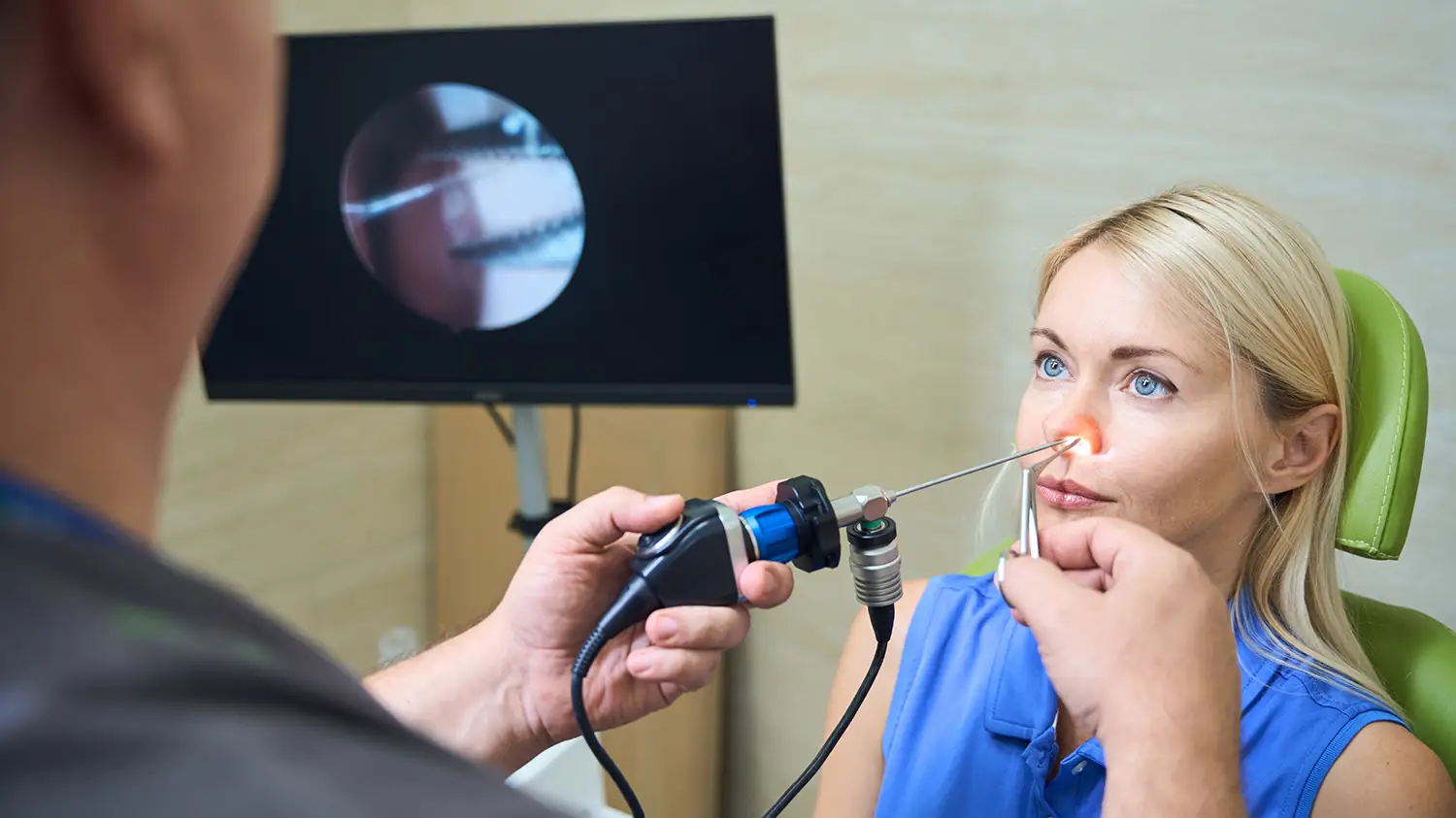
It is also important to discuss any history of heart disease, stroke, arrhythmia, or hypertension with your healthcare provider, as these conditions may increase the urgency of investigation. If symptoms worsen over time or excessive fatigue begins affecting daily activities, it is important to seek assessment through a GP, sleep clinic, or ENT specialist experienced in sleep-disordered breathing.
How Sleep Apnoea Is Diagnosed With A Sleep Study
The primary method of diagnosing sleep apnoea is a sleep study.
In-Lab Polysomnography
Polysomnography is a comprehensive overnight sleep study performed in a specialised sleep laboratory. This is considered the gold standard test for many patients, particularly when symptoms are complex or central sleep apnoea is suspected. It monitors:
- Breathing patterns
- Oxygen levels
- Heart rhythm
- Brain activity
- Muscle activity
- Sleep stages
Home Sleep Studies
For selected patients, a home sleep study may be appropriate. These tests typically monitor breathing and oxygen levels in the home environment and can help diagnose obstructive sleep apnoea.
Apnoea-Hypopnea Index (AHI)
Sleep apnoea severity is commonly measured using the apnoea-hypopnea index (AHI), which reflects the number of breathing disturbances per hour of sleep.
General thresholds include:
- Mild: 5–14 events per hour
- Moderate: 15–29 events per hour
- Severe: 30 or more events per hour
Referral to a sleep medicine specialist may be recommended for severe cases, uncertain diagnoses, or when treatment difficulties arise. Some patients may also be referred to sleep specialists for further assessment when symptoms are severe, diagnosis is uncertain, or complex medical conditions are involved.
Treatment Options
Treatment depends on the severity and type of sleep apnoea, as well as the patient’s anatomy and overall health.
Continuous Positive Airway Pressure (CPAP)
Continuous positive airway pressure therapy, commonly called CPAP therapy, is considered the first-line treatment for many people with moderate to severe obstructive sleep apnoea.
CPAP therapy works by providing pressurised air through a mask to keep the airway open during sleep, improving airflow and reducing repeated oxygen drops throughout the night.
Consistent nightly use is important for effectiveness. Many patients benefit from:
- Proper mask fitting
- Gradual acclimatisation
- Humidification
- Ongoing follow-up and support
Oral Appliance Therapy
Custom oral appliances may help selected patients with mild to moderate obstructive sleep apnoea. These devices reposition the jaw to improve airway openness during sleep.
Surgical Treatment Options
Surgery may be considered when anatomical obstruction contributes significantly to airway collapse or when non-surgical treatments are unsuccessful.
Depending on the individual case, procedures may involve the:
- Nose
- Soft palate
- Tonsils
- Tongue base
- Jaw structures
Surgeons at CompleteENT specialise in these types of surgery.
Weight Loss And Lifestyle Measures
Weight reduction can significantly improve obstructive sleep apnoea severity in some patients.
Other lifestyle interventions may include:
- Reducing alcohol intake
- Avoiding sedative medications where appropriate
- Sleeping on the side rather than the back
- Improving sleep routines
- Smoking cessation
How Sleep Apnoea Treatment Reduces Risk Of Death
Effective treatment does more than improve sleep quality; it may also reduce long-term health risks associated with untreated sleep apnoea. By preventing repeated airway collapse and oxygen desaturation, treatment helps reduce the ongoing physiological stress that contributes to cardiovascular disease and other complications.
Research suggests that consistent CPAP use can:
- Reduce cardiovascular strain
- Improve oxygen stability during sleep
- Lower blood pressure
- Improve daytime alertness
- Reduce accident risk
Prevention And Long-Term Management
Long-term management of sleep apnoea often involves a combination of medical treatment and lifestyle strategies. Ongoing follow-up is important to ensure treatment remains effective over time.
Helpful measures may include:
- Maintaining a healthy weight
- Limiting alcohol intake, especially before bedtime
- Following regular sleep schedules
- Managing nasal obstruction
- Treating contributing medical conditions
- Avoiding smoking
Take Action
Sleep apnoea is more than a snoring problem. In some people, untreated sleep apnoea can contribute to serious and potentially life-threatening complications involving the heart, brain, and respiratory system.
If you or someone close to you experiences symptoms such as loud snoring, witnessed pauses in breathing, excessive daytime fatigue, or poor-quality sleep, it is important to seek medical evaluation.
Early diagnosis and appropriate treatment can improve sleep, support long-term health, restore healthier overnight oxygen levels, and reduce the risk of serious complications. Speaking with your GP, contact Complete ENT or organise a sleep study and take the first step toward effective management.
Dangers of Sleep Apnoea FAQs
Is Mild Sleep Apnoea Dangerous?
Mild sleep apnoea is generally associated with lower risk than severe disease, but it can still affect sleep quality, concentration, mood and cardiovascular health in some people. The significance varies depending on symptoms, oxygen levels and other medical conditions.
Can Sleep Apnoea Kill You?
Direct death from a single apnoeic episode is uncommon. The greater concern is the long-term strain sleep apnoea places on the cardiovascular and respiratory systems over time. With proper diagnosis, ongoing management, and consistent treatment such as CPAP therapy, many patients significantly reduce these risks and improve both sleep quality and long-term health outcomes.
Untreated sleep apnoea can increase the risk of serious health complications, including heart disease, stroke, dangerous irregular heart rhythms and accidents caused by excessive daytime sleepiness. In severe cases, these complications may become life-threatening.
Can Treatment Prevent Death?
CPAP cannot eliminate all health risks, but evidence suggests that effective treatment can reduce complications associated with untreated obstructive sleep apnoea, including cardiovascular strain and accident risk. Consistent use is important for achieving the full benefit. Studies have shown that effective treatment of sleep apnoea in a variety of ways, including CPAP, Mandibular Advancement Splint therapy (MAS) and Upper Airway Surgery can reduce the risk of death and complications of obstructive sleep apnoea.