Is Mouth Taping Dangerous? An ENT’s Perspective
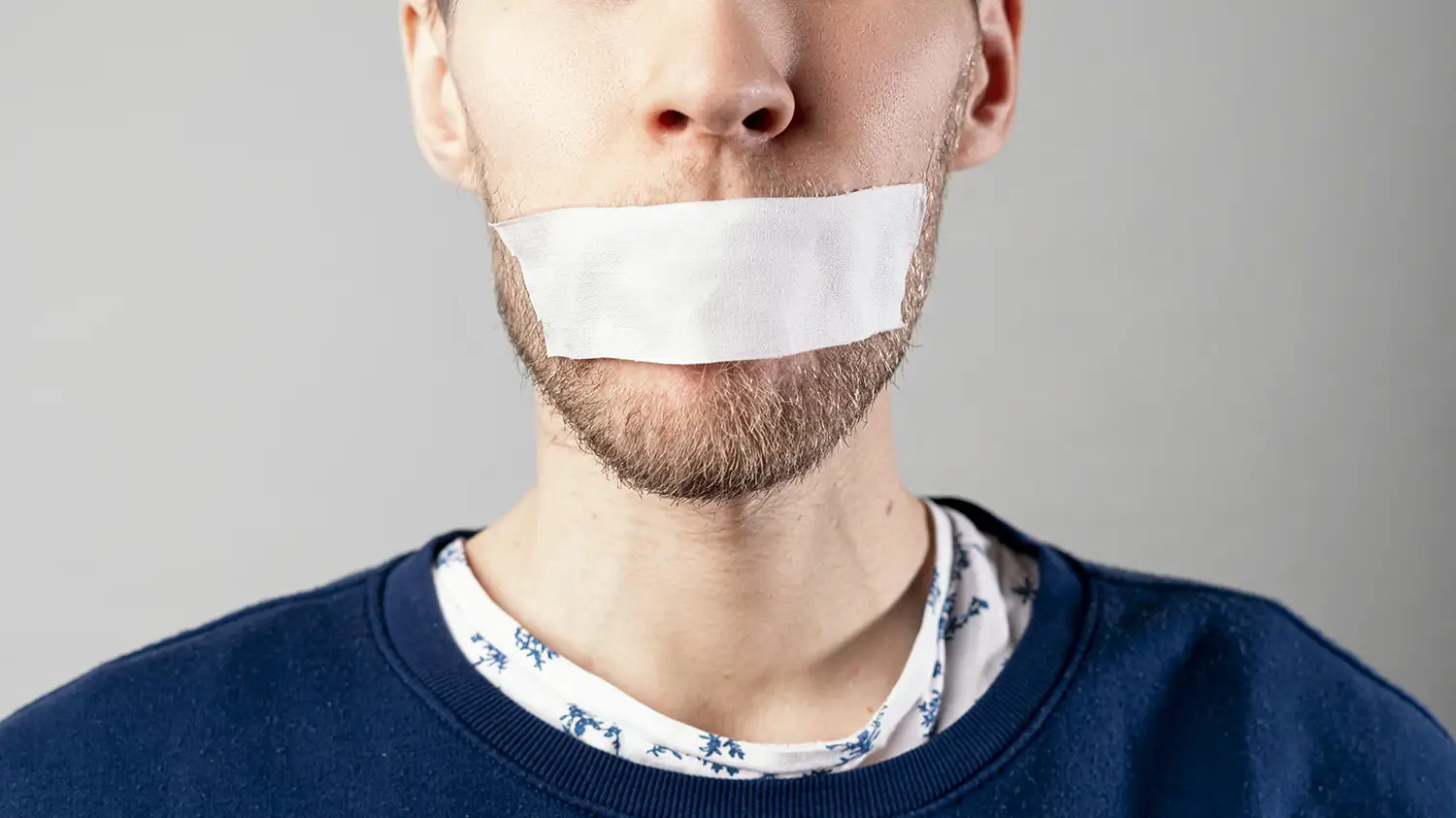
Mouth taping has become a viral sleep trend, promoted online as a simple way to improve sleep quality, reduce snoring and encourage nasal breathing by taping the mouth shut before sleep.
While the idea gained huge attention on social media, ENT specialists are seeing a growing concern:
People are using mouth taping to manage symptoms of an undiagnosed airway or sleep condition — without understanding the cause.
At Complete ENT, we regularly assess patients who have tried sleep “hacks” like mouth taping in response to snoring, fatigue or poor sleep quality. In many cases, these symptoms point to an underlying sleep-disordered breathing condition or nasal obstruction issue that requires medical evaluation.
This article explains what mouth taping actually does, where the risks lie and when it’s important to seek a professional ENT assessment.
What Is Mouth Taping?
Mouth taping involves placing adhesive tape over the lips during sleep to encourage nose breathing and prevent mouth breathing overnight.
It is widely promoted online as a “biohacking” technique for mouth breathers to:
- Reduce snoring
- Improve sleep quality
- Prevent dry mouth
- Encourage nasal breathing
- Reduce bad breath
However, despite its popularity, mouth taping is not a medically endorsed treatment for sleep disorders.
Why Is Mouth Breathing During Sleep a Concern?
Mouth breathing at night is often not the problem itself; it is usually a sign of an underlying airway issue.
Common underlying issues may be:
- Nasal obstruction (deviated septum)
- Chronic nasal inflammation or chronic allergies
- Enlarged tonsils or adenoids
- Obstructive sleep apnoea (OSA)
- Structural airway narrowing
When the nasal airway is restricted, the body naturally switches to mouth breathing during sleep to maintain airflow.
Simply blocking the mouth does not address the reason this is occurring.
Is Mouth Taping Safe?
In some individuals, mouth taping may be relatively harmless with a low risk of skin irritation or allergic reaction to the tape itself. However, ENT specialists caution that it can be unsafe or inappropriate.
It may pose risks if you have:
- Undiagnosed obstructive sleep apnoea
- Nasal congestion or blocked nasal passages
- Anxiety, Claustrophobia or difficulty breathing at night
- Reflux or disrupted sleep patterns
- Any condition affecting the upper airway airflow
Restricting oral breathing without assessing nasal airflow can potentially lead to:
- Increased breathing effort during sleep
- Sleep disruption
- Worsening of underlying obstruction and sleep apnoea symptoms
- Delayed diagnosis of a treatable condition
Myth vs Fact: Mouth Taping and Sleep Health
Myth: Mouth taping improves sleep quality
Fact: It may encourage nasal breathing, but does not treat the underlying cause of poor sleep. In those with poor nasal airflow, mouth taping has been shown to worsen sleep quality and oxygen levels at night.
Myth: It is a safe solution for snoring
Fact: Snoring is often a symptom of sleep-disordered breathing, not just mouth breathing.
Myth: If I can breathe through my nose during the day, it’s fine at night
Fact: Nasal airflow requirements change during sleep, and obstruction may only become significant at night.
Myth: It’s a harmless wellness trend
Fact: It may be inappropriate or unsafe if airway obstruction or even mild obstructive sleep apnoea is present.
Why Sleep Apnoea Changes the Risk
Obstructive sleep apnoea (OSA) is a condition where the upper airway partially or completely collapses during sleep, causing repeated pauses in breathing.
When this happens, the body must briefly restore airflow by increasing breathing effort or waking slightly, often without the person being aware.
In some cases, this may involve:
- Snoring or choking sounds
- Sudden awakenings
- Brief arousals from sleep to reopen the airway
If the mouth is taped closed in someone with undiagnosed airway obstruction, it does not prevent these events, but it may reduce the body’s ability to compensate comfortably, particularly if nasal airflow is also restricted.
This is why mouth taping is not recommended as a treatment for suspected sleep apnoea.
Why This Trend Has Taken Off
While ENT specialists do not recommend mouth taping as a treatment, the trend has highlighted something important:
- More people are becoming aware of sleep quality issues
- Snoring and fatigue are being recognised as medical symptoms, not just inconveniences
- There is increasing curiosity about nasal breathing and airway health
In this sense, the trend is not entirely negative, but it can give a false sense of treatment without diagnosis.
The Real Question: Why Is Mouth Breathing Happening?
If you feel the need to tape your mouth at night, the more important question is:
“Why am I mouth breathing during sleep in the first place?”
This is where ENT assessment becomes essential. At Complete ENT, we investigate the full upper airway to identify underlying causes of:
- Snoring
- Sleep disturbance
- Mouth breathing
- Suspected sleep apnoea
- Chronic nasal obstruction
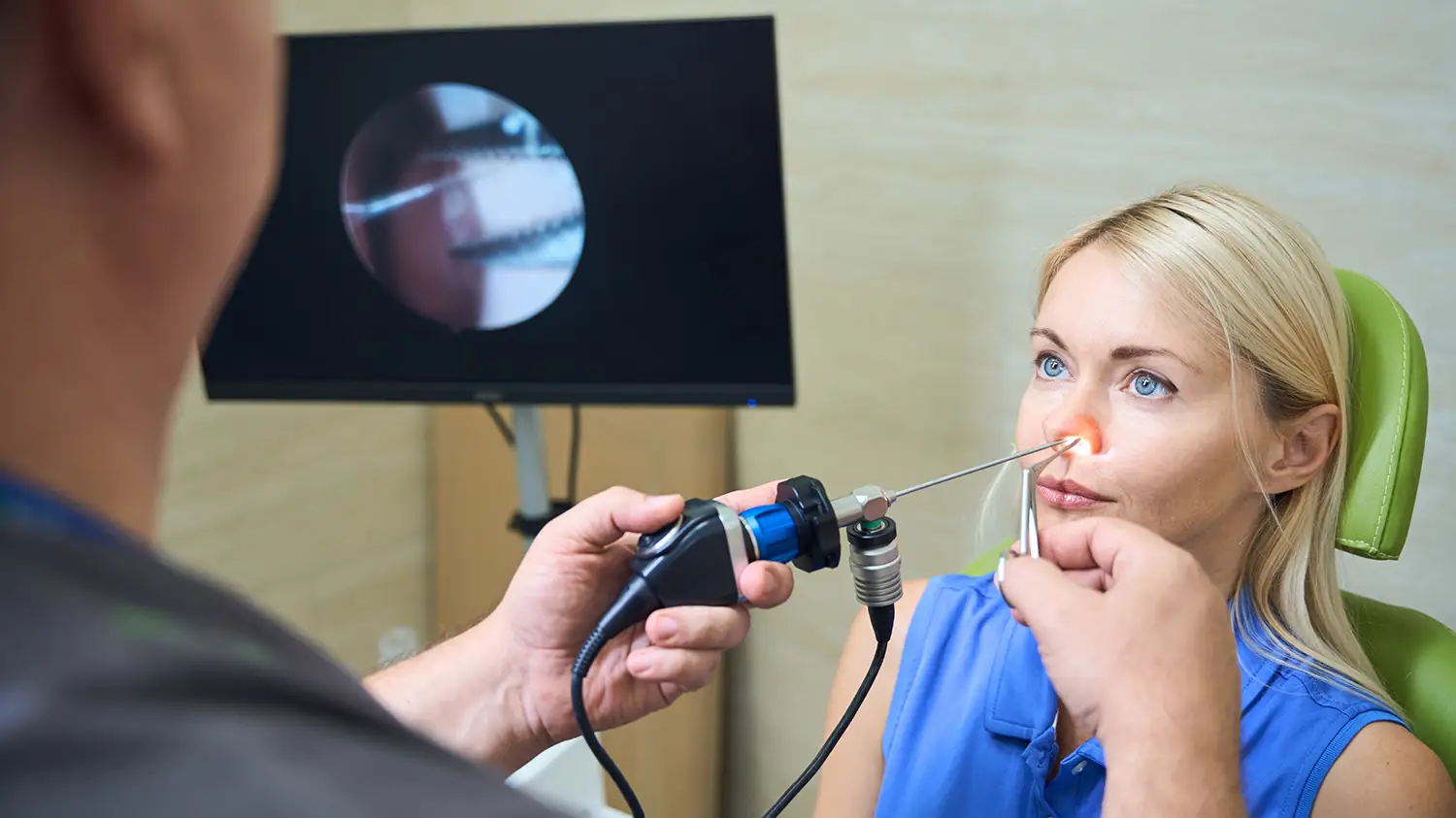
How ENT Specialists Assess Sleep and Airway Issues
A proper evaluation may include:
- Nasal airway examination (structural and inflammatory causes)
- Assessment of tonsils and upper airway anatomy
- Review of sleep symptoms and breathing patterns
- Referral for a sleep study (if obstructive sleep apnoea is suspected)
From there, treatment is tailored and may include:
- Medical management of nasal inflammation
- Surgical correction of structural obstruction (when appropriate)
- Sleep study–guided management of sleep apnoea
- Long-term airway optimisation strategies
When to Seek Medical Advice
You should consider an ENT consultation if you experience:
- Snoring (especially loud or persistent)
- Waking unrefreshed or fatigued
- Dry mouth on waking
- Witnessed pauses in breathing during sleep
- Chronic nasal blockage or congestion
- Restless or disrupted sleep
These symptoms may indicate an underlying airway or sleep disorder that requires proper diagnosis. For some patients, treatment may range from simple nasal therapies through to structured sleep apnoea management, including Continuous Positive Airway Pressure (CPAP) where clinically indicated.
Complete ENT Approach to Sleep-Disordered Breathing
At Complete ENT, we focus on identifying the true cause of airway dysfunction, rather than relying on symptomatic “quick fixes.”
Our goal is to provide:
- Accurate diagnosis
- Evidence-based treatment options
- Long-term improvement in sleep and breathing quality
Is there any truth to the Mouth Taping Claim?
Mouth taping is not a treatment for snoring or sleep apnoea. It is a trend built around the partial truth that nasal breathing is beneficial.
However, healthy sleep is not achieved by restricting the mouth. It is achieved by understanding and treating the underlying airway condition.
If you are experiencing symptoms of poor sleep or suspect a breathing issue at night, the safest next step is to talk to your doctor about a professional ENT assessment.
Concerned About Snoring or Sleep Quality?
If you are experiencing symptoms of sleep-disordered breathing, Complete ENT provides comprehensive airway assessment and personalised treatment options.
Book a consultation with our ENT specialists to assess your nasal and sleep health.
Mouth Taping FAQs
Is mouth taping dangerous?
Mouth taping is not recommended as a general sleep practice and may be unsafe for some individuals, particularly those with undiagnosed nasal obstruction or obstructive sleep apnoea. In these cases, it can restrict airflow and delay proper diagnosis and treatment of an underlying airway condition. If you experience snoring, poor sleep quality, or breathing difficulties at night, an ENT assessment is recommended before considering any form of mouth taping. According to the American Journal of Otolaryngology, there is a lack of high-quality research to support claims that mouth taping is effective or safe.
Does mouth taping stop snoring?
Mouth taping may reduce snoring in a small number of people whose snoring is primarily related to mouth breathing with otherwise normal nasal airflow. However, most snoring is caused by airway narrowing in the nose, throat or soft palate, or due to conditions such as obstructive sleep apnoea, which mouth taping does not treat. In these cases, it is unlikely to be effective and may delay identification of the underlying cause.
Is nasal breathing an important part of good sleep hygiene?
Yes. Nasal breathing is generally an important part of healthy sleep because the nose filters, warms, and humidifies air before it reaches the lungs, and helps regulate airflow during sleep. Many people breathe through their mouth at night due to nasal obstruction or airway narrowing, which can be associated with snoring, dry mouth and disrupted sleep. However, difficulty maintaining nasal breathing during sleep can also be a sign of an underlying issue such as nasal blockage or sleep-disordered breathing, which should be assessed by an ENT specialist rather than managed with sleep hacks discovered online.
Does mouth taping work?
Mouth taping is not a medically recognised treatment for snoring or sleep disorders, and there is limited clinical evidence supporting its effectiveness. It may encourage nasal breathing during sleep in some individuals, particularly those who habitually breathe through their mouth despite having clear nasal airways. However, it does not address the underlying causes of snoring, nasal obstruction, or obstructive sleep apnoea, and may be ineffective or inappropriate if there is any restriction in nasal airflow. For persistent sleep or breathing concerns, a proper ENT assessment is recommended to identify and treat the underlying cause.
What are some safer methods to encourage breathing through your nose at night?
Safer approaches to improving nasal breathing focus on identifying and treating the underlying cause of airway restriction, rather than physically restricting the mouth during sleep. From an ENT perspective, effective options may include:
- Managing nasal congestion through medical treatments such as nasal steroid sprays or antihistamines (when allergic rhinitis or chronic sinusitis is involved)
- Saline nasal rinses to help clear mucus and reduce inflammation
- Nasal dilator devices or nasal strips, which can help improve airflow in selected cases
- Radiofrequency turbinate treatment done under local anaesthetic.
- Addressing structural issues, such as a deviated septum, nasal polyps or enlarged turbinates or tonsils, which may require ENT assessment and possible procedural or surgical treatment, including turbinoplasty, tonsillectomy, septoplasty or septorhinoplasty.
- Sleep assessment to guide a targeted management plan if symptoms suggest snoring or obstructive sleep apnoea.
While these approaches may support nasal breathing, persistent mouth breathing at night is often a sign of an underlying airway issue. If symptoms such as snoring, poor sleep quality, or waking unrefreshed are present, an ENT consultation is recommended to properly assess the cause and determine the most appropriate treatment.
In what ways can I achieve sleep optimisation?
Sleep optimisation is best achieved by identifying and addressing the underlying factors that affect your sleep quality, rather than relying on trends or single “quick fixes.” From an ENT and sleep health perspective, key approaches include:
- Ensuring clear nasal airflow, including treatment of chronic congestion, allergies, or structural nasal obstruction
- Assessing and managing snoring or sleep-disordered breathing, including obstructive sleep apnoea, where relevant
- Maintaining good sleep hygiene, such as consistent sleep and wake times and a suitable sleep environment
- Reducing airway irritants, including smoking or environmental allergens, where applicable
- Seeking a sleep or ENT assessment if you experience symptoms such as persistent snoring, unrefreshing sleep, dry mouth on waking, or suspected breathing pauses during sleep
If sleep is consistently disrupted, the most effective optimisation strategy is a proper clinical evaluation to determine whether there is an underlying airway or sleep condition that needs targeted treatment.
What is CPAP, and when is it used?
Continuous Positive Airway Pressure (CPAP) is a treatment used for obstructive sleep apnoea (OSA). It works by delivering a steady stream of air through a mask worn during sleep, which helps keep the upper airway open and prevents it from collapsing.
CPAP therapy does not cure sleep apnoea, but it is one of the most effective evidence-based treatments for managing moderate to severe cases. It can significantly reduce snoring, improve sleep quality, and decrease episodes of breathing interruption during sleep.
It may be recommended after a sleep study confirms obstructive sleep apnoea and is prescribed as part of a broader treatment plan, which may also include an ENT assessment to address any contributing nasal or airway issues.