
Specialist Skull Base Surgery for Complex Tumours
Skull base surgery is a highly specialised form of surgery used to treat tumours and other disorders that arise at the underside of the skull. This is the complex area where the brain, cranial nerves, major blood vessels and upper spinal column structures meet and exit toward the face, ear, nose, throat and neck. Because of this intricate anatomy, skull base tumours require advanced expertise, extensive training and a coordinated multidisciplinary approach.
At Complete ENT, skull base surgery is delivered through a dedicated skull base team involving ENT surgeons (otolaryngologists), neurosurgeons, radiologists, radiation oncologists, pathologists and specialised hospital staff. This collaboration ensures patients receive comprehensive, individualised care from diagnosis through recovery and long-term follow-up.
What Is Skull Base Surgery?
The skull base forms the bony floor of the skull, separating the brain from the nasal cavity, sinuses, ear structures and upper vertebrae. Skull base tumours may arise from bone, nerves, blood vessels, glands (including the pituitary gland), or may extend from adjacent head and neck structures.
Skull base surgery refers to the surgical techniques used to access and treat these conditions safely while preserving neurological function and quality of life.
Skull base conditions commonly treated include:
- Pituitary tumours
- Acoustic neuromas (vestibular schwannomas)
- Benign skull base tumours
- Malignant skull base tumours and head and neck cancers
- Superior Canal Dehiscence
- Chondroma
- Chondrosarcoma
- Meningioma
- Encephalocoele
- Peri-neural spread of skin cancer
- Skull base infections and inflammatory conditions
- Cerebrospinal fluid (CSF) leaks
- Other rare skull base disorders
Importantly, not all skull base tumours require immediate surgery. Some may be monitored with imaging, while others are managed with radiation therapy or combined treatment. Every patient’s case is carefully assessed to determine the most appropriate approach.

Surgical Approaches to the Skull Base
Skull base surgery can be performed using different approaches depending on the tumour’s location, size and involvement of surrounding structures.
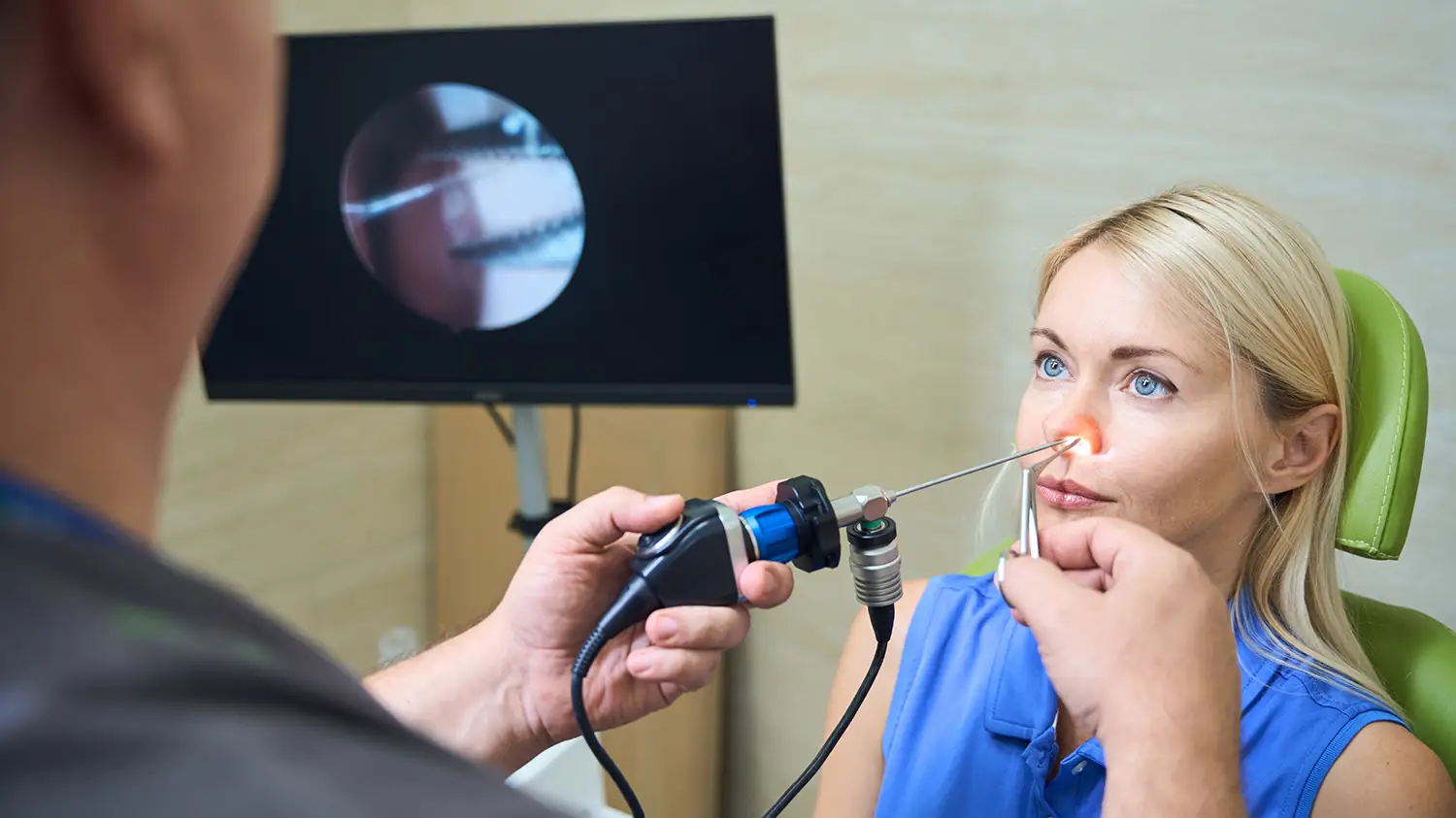
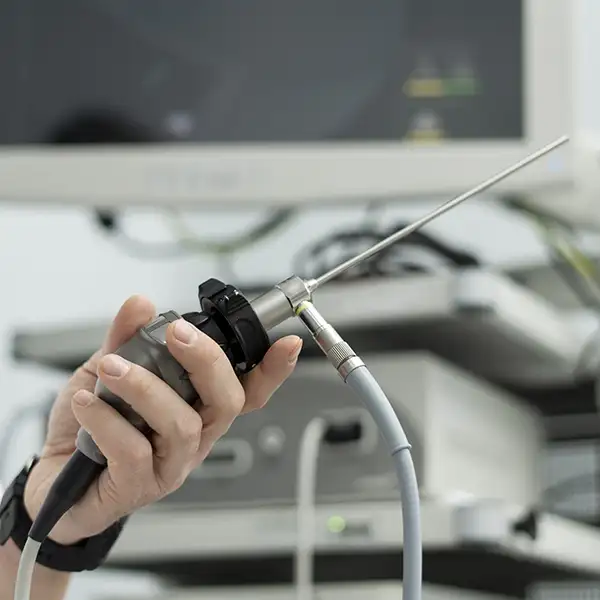
Many midline skull base tumours, including pituitary tumours, can be removed using a minimally invasive endoscopic approach through the nose. This technique avoids external incisions and provides direct access to the underside of the skull.
Benefits may include:
- Faster recovery compared with traditional open surgery
- No visible scars
- Reduced disruption of the surrounding tissue
- Shorter hospital stay in suitable cases
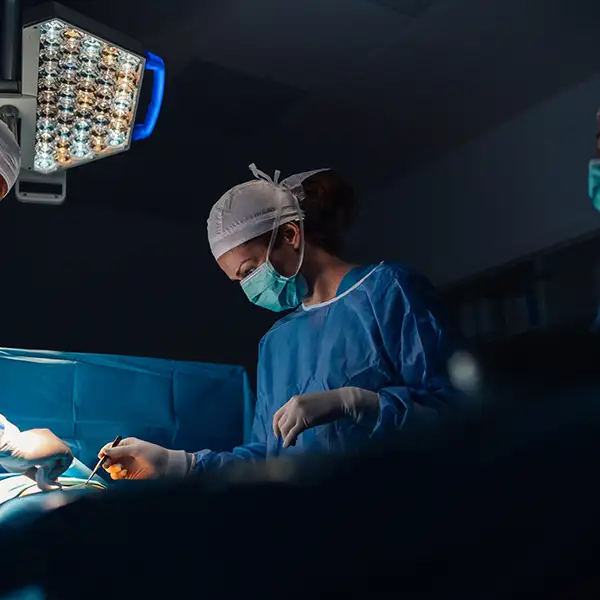
Some skull base tumours, particularly those involving the lateral skull base, brain or deeper structures, require open surgery. This may involve collaboration between ENT surgeons and a neurosurgeon.
In complex cases of head and neck cancer, combined approaches may be used to achieve safe tumour removal while preserving neurological function.
The choice of approach is based on detailed imaging, including MRI and CT scans and careful surgical planning.
Skull base surgery requires the highest level of surgical precision.
Our skull base team utilises:
- High-resolution MRI and CT imaging
- Image-guided navigation systems
- Microsurgical and endoscopic techniques
- Intraoperative nerve monitoring
- Close collaboration with neurosurgery and radiation oncology
This integrated model ensures that patients benefit from combined ENT and neurosurgical expertise, supported by radiologists, pathologists and oncology specialists where required.
For malignant tumours, treatment planning may involve radiation oncologists and medical oncologists to coordinate post-operative radiation therapy or chemotherapy when indicated.
Preparing For Skull Base Surgery
Preparation begins well before the day of surgery. Because skull base surgery varies significantly in complexity, the hospital stay length will be discussed in advance. Minimally invasive procedures may involve a short admission, while larger cranial operations may require several days of monitoring.
Comprehensive Assessment
Patients undergo:
- Detailed ENT and neurological examination
- Imaging studies (MRI is commonly required; CT may assess bone involvement)
- Hearing assessment where relevant
- Endoscopic nasal examination
- Multidisciplinary case review
Pre-Operative Planning
You will receive clear instructions regarding:
- Medication adjustments (particularly blood thinners)
- Fasting requirements
- Hospital admission details
- Post-operative support arrangements
What To Expect On The Day Of Surgery
On the day of surgery:
- You will meet your surgical and anaesthetic team.
- The procedure is performed under general anaesthesia.
- Intraoperative monitoring may be used to protect cranial nerve function.
- After surgery, you will be observed in recovery before transferring to the ward.
In more complex cases, short-term monitoring in the intensive care unit may be required to ensure neurological stability.
You will receive detailed discharge instructions before leaving the hospital.
Recovery After Skull Base Surgery
Recovery varies depending on the surgical approach and extent of the condition treated.
Immediately After Surgery
Patients may experience:
- Headache or mild discomfort
- Nasal congestion (after endoscopic surgery)
- Temporary swelling
- Fatigue
- Nausea
In some procedures, temporary changes in smell, taste, hearing, facial movement, facial sensation or voice may occur.
Early Recovery (First Few Weeks)
During the initial recovery period:
- Rest is important
- Heavy lifting and strenuous activity are restricted
- Driving may be limited depending on neurological status
- Nose blowing may be restricted after endoscopic procedures
Any sudden worsening of vision, new facial weakness, clear fluid drainage from the nose, heavy bleeding, severe headache or fever requires urgent medical review.
Ongoing Healing & Long-Term Monitoring
Full healing may take several weeks to months depending on the procedure.
Follow-up care includes:
- Scheduled post-operative appointments
- Removal of nasal packing if used
- Review of pathology results
- Repeat MRI imaging at defined intervals
- Long-term surveillance for tumour recurrence or regrowth
Some patients require additional treatment, such as radiation therapy, depending on tumour type and surgical outcomes.
Risks And Potential Complications
As with any major surgery, skull base surgery carries risks. These vary depending on the condition and approach, but may include:
- Bleeding
- Infection
- Cerebrospinal fluid (CSF) leak
- Hearing loss
- Facial numbness or weakness
- Swallowing or speech changes
- Neurological complications
- Decrease or loss of sense of smell
These risks are discussed in detail during consultation. Surgical planning, advanced imaging and intraoperative monitoring are used to minimise complications and preserve function wherever possible.
Comprehensive Skull Base Care
Management of skull base tumours and disorders extends beyond the operation itself. Long-term care may involve:
- Ongoing imaging surveillance
- Radiation oncology involvement
- Chemotherapy in selected malignant cancers
- Collaboration with neurosurgery
- Audiology or speech therapy support where required
Every patient’s treatment plan is tailored to achieve tumour control while protecting neurological function and overall quality of life.
Why Choose Complete ENT For Skull Base Surgery?
- Dedicated skull base team with ENT and neurosurgical collaboration
- Extensive training in advanced skull base techniques
- Expertise in minimally invasive and open skull base approaches
- Coordinated care across hospitals and oncology services
- Patient-centred treatment planning focused on safety and long-term outcomes
If you have been diagnosed with a skull base tumour or related condition, or imaging has identified a skull base abnormality, contact our team to provide a comprehensive specialist assessment and discuss the most appropriate treatment options for your individual case.

GET IN TOUCH