Skull Base Tumour Assessment
Skull base tumours are a diverse group of growths that arise where the skull meets the brain and the structures of the head and neck. Because the skull base sits beside critical nerves, blood vessels, the pituitary gland and delicate hearing and balance structures, even benign skull base tumours can cause significant symptoms.
Early specialist assessment helps protect hearing, vision, nerve function and overall well-being, and ensures you get a personalised treatment plan tailored to the exact tumour type, size and location.

What Are Skull Base Tumours?
Skull base tumours develop in or near the bones at the base of the skull, including areas such as the temporal bone, petrous apex, paranasal sinuses and nasal cavity. They can arise from different tissues (nerve, bone, gland, mucosa) and are broadly grouped as:
- Benign tumours: often grow slowly and may be managed with monitoring or targeted surgery.
- Malignant (cancerous) tumours: including sinonasal cancers, squamous cell carcinoma and adenoid cystic carcinoma, which require coordinated cancer care.
- Pituitary tumours: Tumours affecting the pituitary gland that can alter hormone levels and require specialist endocrine input.
Tumours can affect the brain and spinal cord interfaces, nearby cranial nerves, blood vessels (including the jugular vein region), the inner ear and the head and neck area, so skull base tumour diagnosis and treatment require specialist skills.

Common Types Of Skull Base Tumours
- Vestibular schwannoma (acoustic neuroma): a nerve sheath tumour often causing hearing loss in one ear and balance problems. In some cases, this is associated with neurofibromatosis type 2.
- Meningioma: frequently benign, originating from the membranes around the brain and spinal cord; may compress nerves or brain tissue.
- Skin cancers: that invade along nerves
- Pituitary tumours: affect the pituitary gland and may change hormone levels, vision, or cause headaches.
- Sinonasal tumours & paranasal sinus cancers: include squamous cell carcinoma and adenoid cystic carcinoma; present with nasal symptoms and may affect breathing.
- Salivary gland tumours: and tumours arising in or near the temporal bone and petrous apex.
- Other less common tumours: tumour type determines options for surgery, radiation and systemic treatment.
Skull Base Tumours: Symptoms & When To See A Specialist
Not everyone with a skull base tumour will have obvious symptoms early on. Signs depend on tumour size and location but commonly include:
- Hearing loss in one ear, tinnitus or ringing
- Balance problems or dizziness
- Facial weakness or facial paralysis
- Double vision or other vision problems
- Frequent sinus infections or persistent nasal blockage, nosebleeds or difficulty breathing
- Persistent headaches, neck pain or a sensation of pressure
- Changes in hormone levels with unexplained fatigue, weight changes or menstrual irregularities (suggestive of pituitary involvement)
If you have any persistent or unexplained symptoms in the head, neck, ear, nose or face, an early specialist review is recommended.
Who Is At Risk For Skull Base Tumours?
Many skull base tumours have no clear cause, but risk factors can increase the likelihood, such as:
- Genetic conditions (for example, neurofibromatosis) or family history of tumours
- Prolonged sun exposure and history of skin cancer
- Immunosuppression
- Prior radiation therapy to the head and neck
- Occupational or environmental exposures (certain chemicals, wood dust, vinyl chloride)
- Age and other medical conditions
Having a risk factor does not mean a tumour will develop, and many patients with skull base tumours have no identifiable risk exposures.
How We Diagnose Skull Base Tumours
Diagnosing skull base tumours requires precision, experience, and a deep understanding of the complex anatomy at the base of the brain and upper spinal column. Because the skull base contains critical structures (including cranial nerves, major blood vessels, the inner ear and the pituitary gland) a careful and structured diagnostic approach is essential.
At Complete ENT, we combine detailed clinical assessment, advanced imaging and multidisciplinary expertise to ensure an accurate diagnosis and a clear treatment pathway.
The diagnostic process begins with a comprehensive clinical evaluation. We take a detailed medical history and carefully review symptoms, which may include facial numbness, hearing changes, persistent sinus issues, balance disturbances, vision problems, headaches or hormonal changes depending on the tumour’s location.
A thorough neurological and cranial nerve examination is performed to assess how the tumour may be affecting nerve function. Because many skull base tumours sit close to nerves that control facial movement, sensation, swallowing, hearing and eye movement, subtle findings during examination can provide critical diagnostic clues. Where relevant, formal hearing and balance testing is arranged to evaluate inner ear involvement and guide both diagnosis and surgical planning.
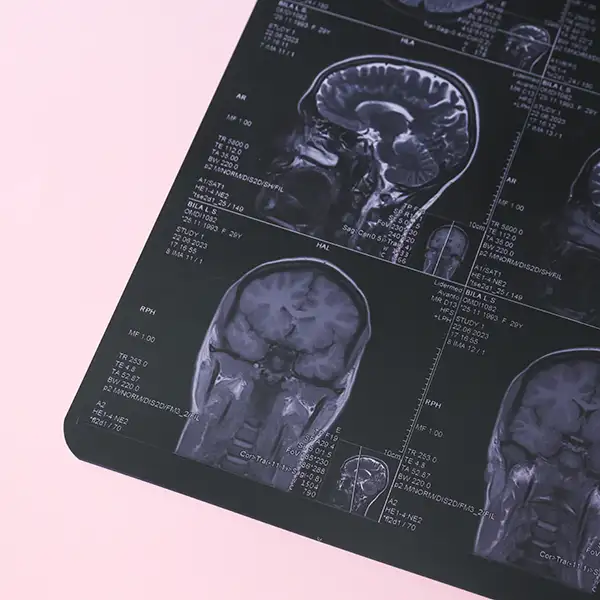
Advanced imaging plays a central role in skull base tumour diagnosis. MRI scanning is the primary imaging tool, as it provides detailed views of soft tissue structures and allows us to accurately map tumour size, location and its relationship to the brain, cranial nerves, inner ear structures and surrounding blood vessels.
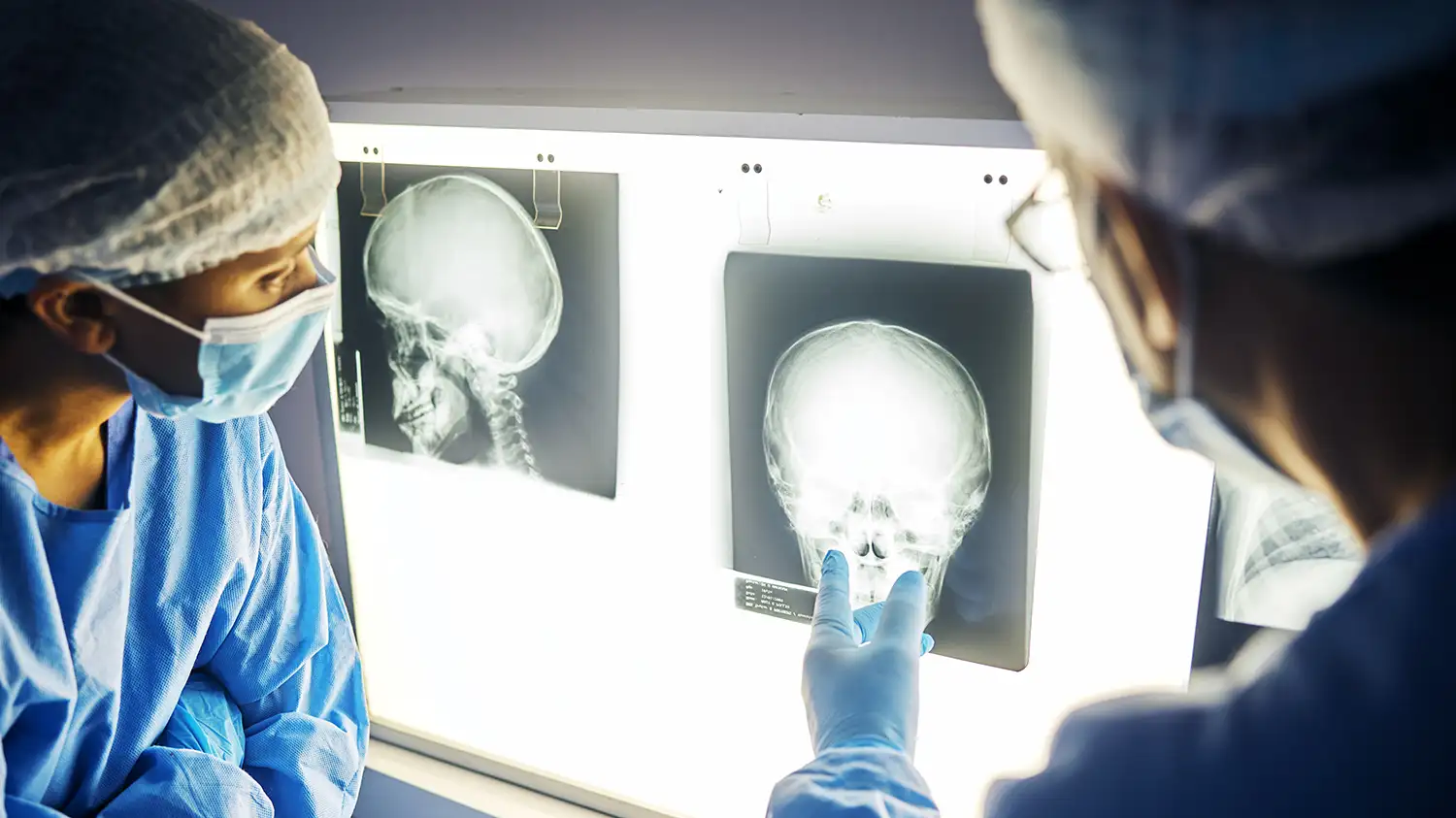
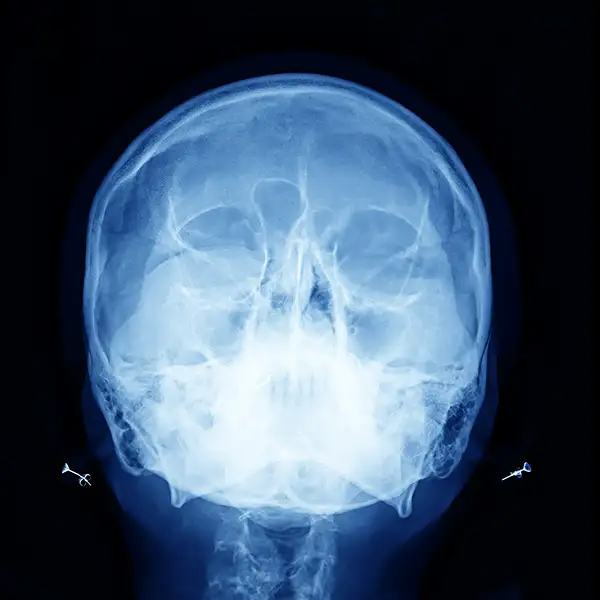
CT scans are often used alongside MRI to assess fine bony detail. This is particularly important when tumours involve the temporal bone, petrous apex or paranasal sinuses, as CT imaging helps define the extent of bone involvement and supports surgical planning for minimally invasive skull base surgery where appropriate.
If a pituitary tumour is suspected, hormone testing is arranged to assess pituitary gland function and identify any endocrine abnormalities. In situations where imaging raises concern for a malignant tumour, further investigation is required to confirm or exclude a cancer diagnosis. This may involve a biopsy, where a tissue sample is carefully obtained and analysed by specialist pathologists. Confirming a cancer diagnosis allows the skull base team to determine whether surgery, radiation therapy or combined oncological treatment is required.
Given the complexity of skull base disorders, diagnosis does not occur in isolation. Each case is reviewed within a dedicated skull base team to ensure all findings are carefully interpreted and that the safest, most effective treatment plan is developed.
This multidisciplinary team typically includes ENT surgeons with extensive training in skull base surgery, neurosurgeons, radiation oncologists, medical oncologists and specialist radiologists. Through coordinated review and shared expertise, we ensure that both benign skull base tumours and malignant tumours are managed with a comprehensive, patient-centred approach.
Treatment Options For Skull Base Tumours
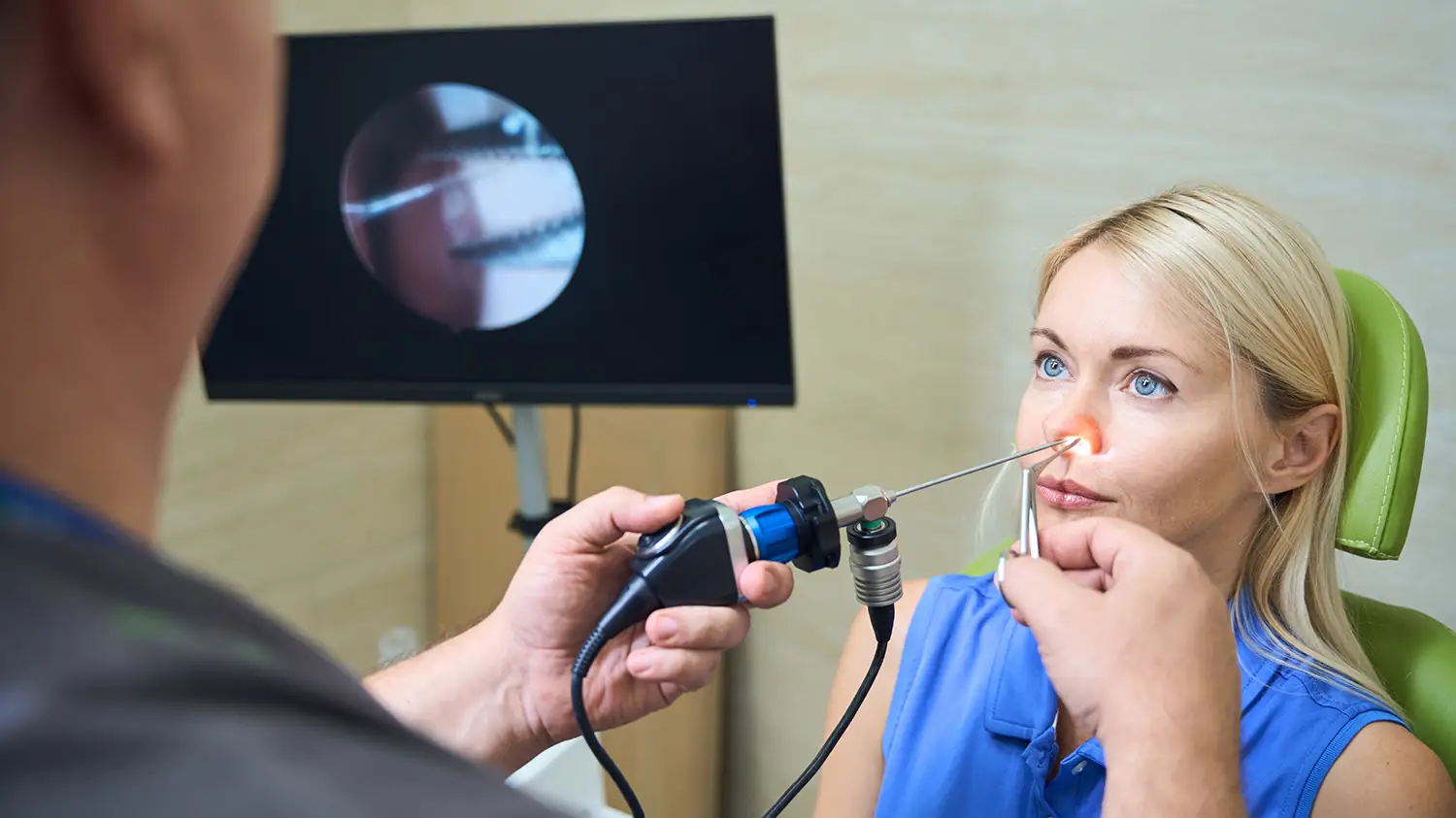
Many tumours are treated with surgery to remove or reduce the tumour burden. Skull base surgery aims to preserve nerve function (hearing, facial movement), vision and blood vessel integrity. Techniques range from endoscopic (through the nose) approaches for sinonasal lesions to microscopic or combined neuro-ENT approaches for deeper skull base tumours.
Used when tumours are not safely resectable, after surgery to control residual disease, or as a primary option for some tumours. Our planning involves experienced radiation oncologists to maximise tumour control while protecting the brain, optic nerves and hearing.
Some benign tumours that grow slowly may be safely monitored with regular imaging and clinical review, particularly when symptoms are minimal.
In selected malignant cases, chemotherapy, targeted therapy or immunotherapy may be part of the plan and coordinated with oncology specialists.
Recovery depends on the procedure and tumour; many patients regain function with time and therapy. Key points:
- Recovery timelines vary, and we take time to explain to you the realistic expectations before treatment.
- Rehabilitation may include hearing support, vestibular (balance) physiotherapy and facial rehabilitation.
- For pituitary tumours, endocrine follow-up monitors hormone levels and adjusts replacement therapy if needed.
- Our goal is tumour control plus preservation of hearing, vision and nerve function to protect daily living and well-being.
The Skull Base Team Approach
Effective skull base care is multidisciplinary. Our coordinated team typically includes:
- ENT surgeons with skull base expertise
- Neurosurgeons experienced in intracranial approaches
- Radiation oncologists and medical oncologists
- Specialist radiologists, endocrinologists (for pituitary tumours) and rehabilitation therapists
- Support staff for hearing, balance rehabilitation and facial nerve recovery
This collaborative model supports safer surgery, better functional outcomes and a holistic focus on the patient’s quality of life.

Complete ENT For Skull Base Tumour Care
We provide specialist care for complex head and neck and skull base conditions. Our strengths:
- Multidisciplinary skull base planning that brings together ENT, neurosurgery and oncology expertise.
- Experience in diagnosing tumours affecting the ear, nasal cavity, temporal bone and paranasal sinuses.
- Clear, patient-centred communication, we explain diagnosis, treatment options and likely recovery in plain language.
- Access to modern surgical techniques and coordinated radiation and oncology support when cancer care is required.
- Focus on preserving function (hearing, balance, facial nerve and vision) and on long-term outcomes.
Contact Complete ENT to discuss your skull base tumour care.

Discuss Your Options with our Skull Base Tumour Specialists at Complete ENT
GET IN TOUCH