
February 5th 2026
Rhinoplasty, or nasal surgery, is a highly technical procedure that can address both functional and cosmetic concerns with the nose. While some patients seek cosmetic rhinoplasty (plastic surgery) to enhance facial symmetry and appearance, others undergo surgery to improve breathing, correct a deviated nasal septum or resolve other structural issues within the nasal passages. Expertly performed rhinoplasty surgery takes both cosmetic and functional considerations into account and many patients have concerns for both of these aspects of their nose.
Understanding the rhinoplasty recovery timeline is crucial for achieving the best results. With proper care and guidance, patients can restore nasal function, reduce discomfort, and enjoy the aesthetic improvements that may accompany the procedure.
It’s important to have realistic expectations: swelling and subtle changes in the nose can take several months to settle, and the final results (for both functional and cosmetic) may not be fully apparent for up to a year after surgery.
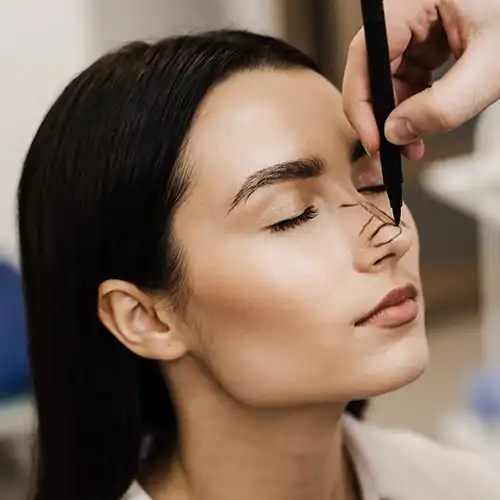
Proper preparation sets the foundation for a smooth recovery period. Before surgery:
Rhinoplasty can be performed as either functional rhinoplasty, a cosmetic nose job, or both, depending on the patient’s needs.
Surgery may be done using open or closed techniques, most usually under general anaesthesia. Incisions are made to access underlying structures, allowing the surgeon to reshape cartilage and bone while carefully preserving blood flow to the nasal skin. Procedures typically last a few hours, and some patients may require an overnight stay for observation.
Immediately after nasal surgery, patients may notice some rhinoplasty side effects:
Following your surgeon’s instructions (including applying ointments, using cold compresses, keeping your head elevated and avoiding nose blowing or unnecessary touching) is essential to protect delicate structures and support a complete healing during the early rhinoplasty recovery process.
Find out more about post operative care with Complete ENT.
The first week is critical for stabilising the repaired nose and reducing facial swelling. During this time:
Early care during the recovery period lays the groundwork for both functional improvement and cosmetic results.
While timelines vary, patients undergoing rhinoplasty and septoplasty recovery often share similar experiences, including initial swelling, congestion and gradual improvement in breathing over the following months. Recovery from rhinoplasty occurs in stages:

Discomfort is a normal part of healing. Proper management helps ensure a smooth rhinoplasty recovery process:
Report any severe pain or unusual symptoms to your surgeon immediately to prevent complications.
Healing after rhinoplasty can be optimised through healthy lifestyle choices:
Every small step contributes to a smoother recovery and better long-term results.
During recovery, patients should observe activity restrictions to protect the healing nose:
By pacing your recovery, you reduce the risk of setbacks in your rhinoplasty recovery process and help avoid complications.
Because the nose is central to the face, eye care is an important aspect of recovery after nose surgery:
Proper care can prevent accidental injuries and support a smooth healing process.

Follow-up appointments are essential to monitor your progress and address any concerns:
Regular monitoring increases the likelihood of achieving the best possible outcome.
As with any surgical procedure, rhinoplasty carries potential risks, including:
In some cases, a revision rhinoplasty may be needed to correct complications or achieve desired outcomes. Clearly articulating the issues you have with your nose and discussing potential risks with your surgeon before surgery is critical to making informed decisions and optimising your outcome.
The full benefits of both the functional and cosmetic enhancements of rhinoplasty, including improved breathing and a balanced nose, can take up to a year to fully emerge. Facial swelling gradually resolves, and the nasal passages, nasal bones and nasal tip all settle into their new shape.
Following all post-operative instructions ensures a safe and successful rhinoplasty recovery process.

Rhinoplasty can dramatically enhance functionality and nasal aesthetic, but it is not a guarantee of perfection. Patients should:
Clear communication with your surgeon and a realistic mindset are essential for a positive outcome.

Rhinoplasty surgery can offer a better quality of life, from restoring healthy breathing to improving facial balance and repairing nasal deformities. By preparing carefully, following post-operative instructions and maintaining realistic expectations, most patients can achieve safe, long-lasting results post-surgery.
If you’re considering surgery, schedule a rhinoplasty consultation with a qualified ENT surgeon to discuss your goals and determine the best approach for you. With proper care and guidance, you can achieve the transformation you desire and feel confident in your new look.
Contact us to book a consultation with Complete ENT today and explore your options.

Call us on
07 3905 5999